India’s largest refinery resumes imports of Russian oil

Tankers carrying nearly 2.2 million barrels of Russia’s Urals crude are already en route to Reliance, India’s largest oil refinery, Bloomberg reports.

India’s Reliance Industries Ltd. has resumed purchases of Russian oil after U.S. President Donald Trump imposed sanctions on Russia’s крупнейших oil companies.

Vessels loaded with almost 2.2 million barrels of Urals crude are heading to the massive Jamnagar complex and, according to analytics firm Kpler, are expected to deliver their cargoes early this month.

The Russian crude will be processed into fuels for domestic consumption rather than for export.

Reliance had halted purchases of Russian oil after the United States blacklisted Rosneft and Lukoil, turning instead to alternative suppliers.

Previously, Rosneft had been the largest supplier of Russian crude to the Indian refinery, supported by a long-term supply agreement for 500,000 barrels per day.
Gold and silver start the year higher

Precious metals began 2026 on a stronger note amid expectations of U.S. interest rate cuts and persistent global risks, Reuters reports.

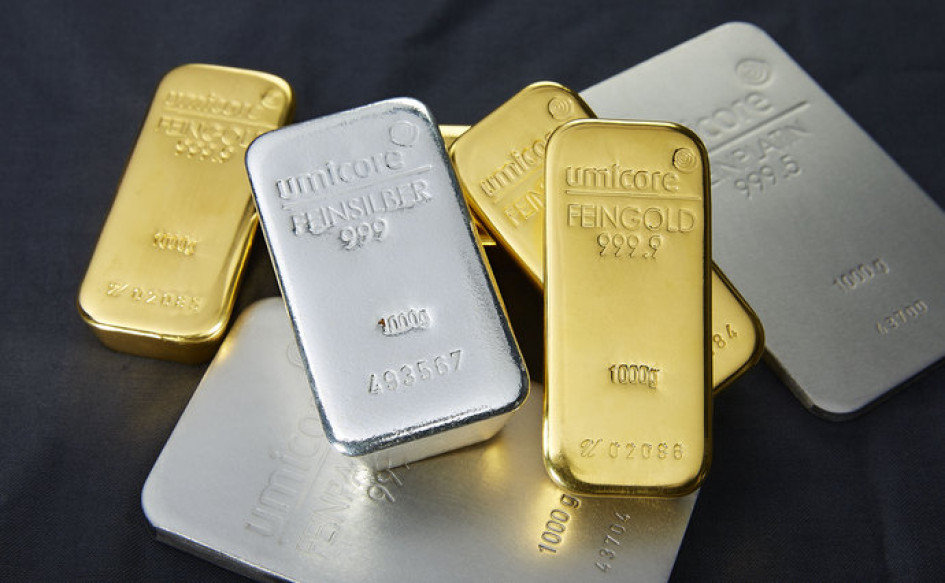
Spot gold rose 1.7% to $4,387.58 per ounce after declining at the end of 2025. U.S. gold futures for February delivery gained 1.3% to trade at $4,399.20 per ounce.

Analysts link the gains to geopolitical tensions and expectations of at least two interest rate cuts by the Federal Reserve this year. Investors typically increase purchases of precious metals in a low-rate environment.

In the short term, however, prices could face pressure due to large-scale portfolio index rebalancing. As metal prices have risen, their weightings in major indices may have exceeded target levels, prompting passive funds to sell part of their holdings, Bloomberg reports.

In 2025, gold surged 64%, marking its biggest annual increase since 1979, driven by Fed rate cuts, geopolitical risks, strong central bank buying, and inflows into ETFs.

Silver climbed 3.4% to $73.71 per ounce, platinum rose 3.3% to $2,121.38, and palladium added 1.9% to trade at $1,636.19 per ounce.

Silver and platinum posted record gains in 2025. Silver jumped 147% amid supply deficits, low inventories, and rising industrial and investment demand.

Oil extends losses at the start of 2026

Oil prices edged lower on the first trading day of 2026 after posting their biggest annual decline since 2020 in 2025, Reuters reports.

Investors weighed concerns about oversupply against geopolitical risks, including the war in Ukraine and exports from Venezuela.

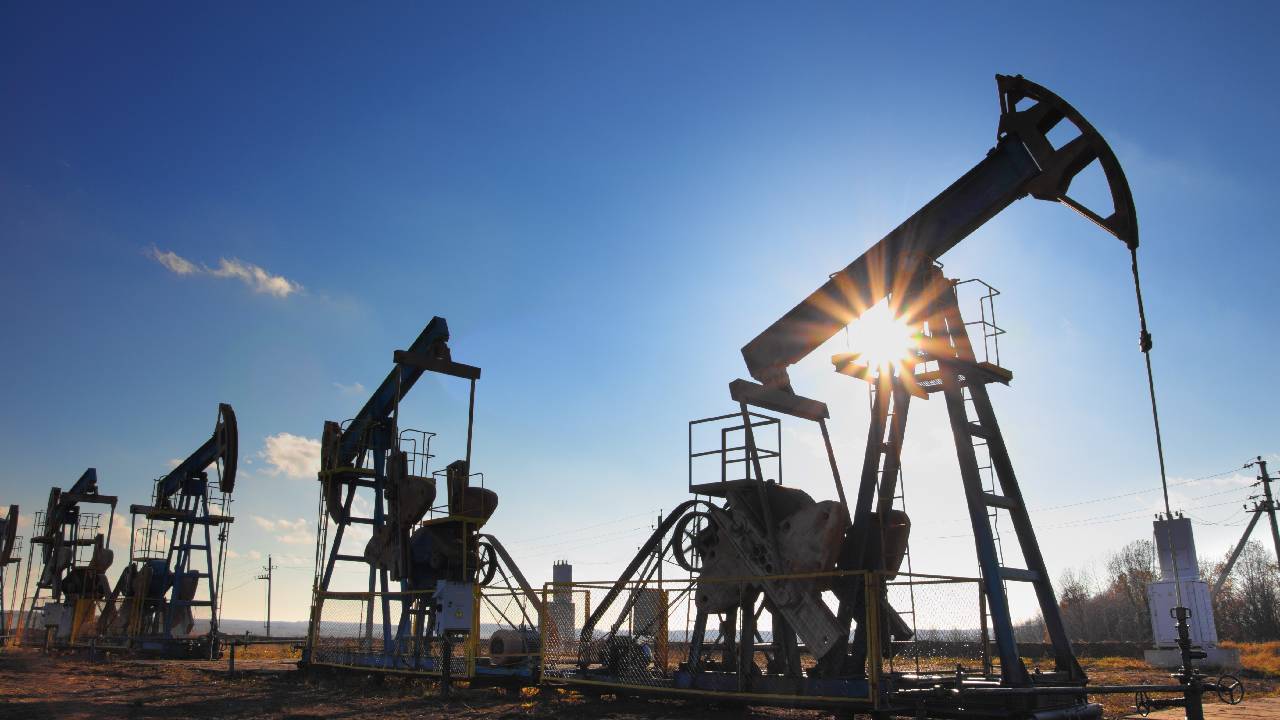
Brent crude futures fell by 51 cents to $60.34 a barrel on Friday, while U.S. West Texas Intermediate crude dropped 52 cents to $56.90.

Ukraine has stepped up strikes on Russian energy infrastructure in an effort to cut off Moscow’s sources of funding for its military campaign in Ukraine.

Meanwhile, the Trump administration continues to pressure Venezuelan President Nicolás Maduro, imposing sanctions on Wednesday on four companies and related oil tankers that it said operate in Venezuela’s oil sector.

However, analysts note that global crude inventories remain high and that the market will be well supplied regardless of geopolitical risks.

In the Middle East, tensions have escalated between Saudi Arabia and the United Arab Emirates over Yemen following the temporary closure of Aden airport. This comes ahead of a virtual OPEC+ meeting scheduled for January 4. Analysts expect OPEC+ to keep production levels unchanged in the first quarter of 2026.

For 2025 as a whole, Brent and WTI posted annual declines of nearly 20%—the steepest since 2020. For Brent, this marked a third consecutive year of losses, the longest such streak on record.

Analysts say the muted price action reflects a tug of war between short-term geopolitical risks and market fundamentals pointing to excess supply.

U.S. allows Serbia’s NIS to resume operations at its sole refinery

The United States has granted permission to Serbia’s oil refiner NIS, which is 55% owned by Gazprom and Gazprom Neft, to resume production after a 36-day shutdown, Energy Minister Dubravka Đedović Handanović said, according to Reuters.

She noted that the U.S. Treasury Department’s Office of Foreign Assets Control (OFAC) issued the company a license allowing it to operate until January 23. This enables the restart of the Pančevo oil refinery, which had been idle for more than a month.

OFAC imposed sanctions on NIS in October as part of broader measures targeting Russia’s energy sector. As a result of the restrictions, crude oil supplies via the pipeline operated by Croatia’s JANAF were halted, forcing the refinery to shut down.

On Wednesday evening, JANAF also announced that it had received a license allowing it to carry out activities necessary for transporting oil for NIS until January 23.

Last week, OFAC granted NIS until March 24 to negotiate the sale of the Russian owners’ stake. Gazprom holds 11.3% of the company, while another 44.9% is owned by its sanctioned subsidiary Gazprom Neft. The Serbian government owns 29.9%, with the remaining shares held by small shareholders and employees.

Serbian President Aleksandar Vučić has previously said that Gazprom is in talks with Hungary’s MOL over a possible sale of a controlling stake in NIS.

Members of Energoatom’s Supervisory Board selected

On December 31, the Nomination Committee approved the independent members of the new Supervisory Board of NAEC Energoatom. The selection was made unanimously, Prime Minister Yuliia Svyrydenko said.

The independent members of the Supervisory Board are:

Rumina Velshi — an international expert in nuclear safety and regulatory oversight with more than 40 years of experience in the field. She previously headed Canada’s nuclear regulator, chaired the IAEA Commission on Safety Standards, and led the International Nuclear Regulators Association.

Laura Garbenčiūtė-Bakienė — a specialist in finance, audit, and risk management in the energy and infrastructure sectors, with over 25 years of experience. She has held senior positions at PwC in the United States, Ukraine, and Lithuania, and has worked on auditing and risk management for strategic energy facilities, including the Ignalina Nuclear Power Plant.

Patrick Fragman — an engineer and international executive in the nuclear and energy industries with more than 30 years of experience. He is a former president and CEO of Westinghouse Electric Company.

Brice Bouyon — a lawyer specializing in energy regulation and corporate governance. He has held senior roles at EDF International and EDF Energy, overseeing legal, compliance, and regulatory functions, and has also worked at France’s Council of State and the Energy Regulatory Commission.

According to Svyrydenko, the selection of three state representatives to the Supervisory Board will be completed in the first half of January.

The committee includes government representatives as well as independent observers from the EU, EBRD, IFC, and the business ombudsman.

Ukraine launches the National Development Institution

Starting January 1, the National Development Institution (NDI) began operations in Ukraine, providing micro, small, and medium-sized businesses with access to concessional financing through partner banks, the Ministry of Finance reported.

The NDI was established on the basis of the Entrepreneurship Development Fund.

The ministry noted that the NDI’s operating model aligns with best European practices, combining institutional autonomy with strategic partnership with the government. The institution will function as a non-profit, “second-tier” financial institution, ensuring access to financing for priority sectors of the economy through Ukrainian banks.

Its key mission is to provide micro, small, and medium-sized enterprises with access to preferential financing via partner banks. The institution has autonomous governance, tailored regulation by the National Bank of Ukraine, and the authority to administer state business support programs.

By law, the NDI is granted a broad range of powers, including the provision of loans, guarantees, grants, interest and insurance premium compensation, support for state and international programs, analysis of project effectiveness, investment activities, and support for educational initiatives.

As the Ministry of Finance emphasized, the NDI is expected to become a central element of Ukraine’s financial infrastructure for recovery, linking state economic policy, international partnerships, and real financial opportunities for Ukrainian businesses, while ensuring systematic support for SMEs.

Global exports of electric vehicles from China jump 87% in November

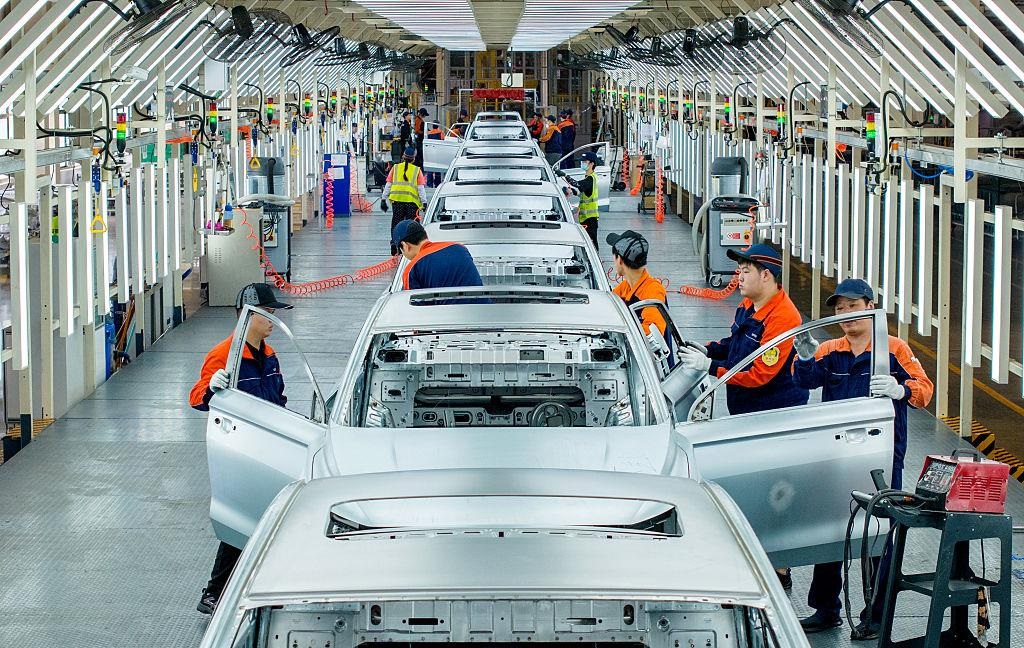
Global exports of electric vehicles from China surged sharply in November, reaching 199,836 units — an 87% increase compared with the same period last year, Bloomberg reports. Overall, China has exported nearly 2 million electric cars since the start of the year, up 29% year on year.

The most striking growth was recorded in shipments to Mexico. In November, Chinese companies exported 19,344 electric vehicles there, representing a 2,367% year-on-year increase — the highest among all countries and territories. Since the beginning of the year, exports to Mexico have exceeded 96,000 EVs, showing growth of 150%.

By region, Asia remains the largest importer of Chinese electric vehicles. In November, 110,061 EVs were shipped to Asian markets, up 71% year on year. Cumulative exports to Asia since the start of the year have approached one million units. Europe ranked second, with 42,927 electric vehicles imported in November, a 63% year-on-year increase. Shipments to EU countries rose by 39% to nearly 26,000 vehicles.

Latin America and the Caribbean emerged as the fastest-growing region in terms of growth rates. In November, exports of Chinese EVs to the region jumped 283% to 35,182 units. Africa and Oceania also posted strong growth, although volumes there remain relatively small. Meanwhile, shipments to North America declined, falling 46% year on year in November.

Among individual markets, in addition to Mexico, high import volumes were recorded in Indonesia, Thailand, the Philippines, and the United Kingdom. European countries such as Belgium showed moderate growth or even slight year-on-year declines, which may indicate market saturation in some regions and increasing regulatory pressure.

China’s auto industry margins fall to near-record lows

Profitability in China’s automotive industry fell to 4.4% in January–November 2025, the second-lowest level on record. The margin was lower only in 2024, when it dropped to 4.3%, CarNewsChina reports, citing the secretary-general of the China Passenger Car Association.

On average, total revenue across the automotive value chain amounted to about $45,800 per vehicle, while gross profit was only around $2,000. Despite growing production volumes, the industry continues to operate under strong pressure from rising costs and intense competition.

Total revenue of China’s auto industry exceeded $1.42 trillion over the eleven-month period, up 8.1% year on year. At the same time, costs grew faster — by 9% to $1.26 trillion. Aggregate industry profit reached $62.6 billion, up 7.5% year on year, but this was not enough to improve overall profitability.

Experts attribute the weak financial performance to two key factors. On the one hand, costs continue to rise, particularly due to volatility in battery raw material prices and higher labor expenses. On the other hand, domestic competition between electric vehicles and traditional internal combustion engine cars has intensified. Price wars that initially began in the new EV segment have gradually spread to the ICE market as well, further eroding manufacturers’ margins.

In November, the situation improved slightly. Industry revenue rose 9.7% year on year to $162.2 billion, although costs increased even faster, by 11.4%. November profit totaled $7.23 billion, up 39.2% from a year earlier, and margins rebounded to 4.4% from 3.9% in October.

Overall, China produced 31.09 million vehicles between January and November 2025, an 11% increase compared with the same period last year. Production of electric vehicles and hybrids grew by 27% to 14.53 million units, raising their share of total output to 47%. Production of gasoline-powered vehicles remained virtually unchanged at 16.57 million units.

Bitcoin rises, surpassing the $90,000 mark

Bitcoin climbed above $90,200 during Asian trading, signaling a potential breakout after the cryptocurrency failed to follow the holiday rally in stock markets, Bloomberg reports.

Other cryptocurrencies also posted gains: Ether rose by up to 4% and moved above $3,000. Previously, Bitcoin had remained relatively stable despite the S&P 500 closing at a record high ahead of Christmas.

Despite the rebound, open interest in futures remains well below the October peak, when Bitcoin reached $126,251. In 2025, Bitcoin is down about 4%, despite political support in the United States.

Government postpones POS terminal requirements for Group 1 sole proprietors

The Cabinet of Ministers has postponed the deadline for the mandatory use of payment terminals for Group 1 sole proprietors until the end of martial law and for an additional three months after it is lifted. Prime Minister Yuliia Svyrydenko announced this on Telegram.

“The decision was made in response to appeals from small businesses, for which servicing POS terminals currently creates additional financial pressure. This will allow the smallest entrepreneurs to continue operating and preserve their income amid the war, power outages, and logistical constraints,” she wrote.

The prime minister emphasized that the postponement also gives businesses time to prepare for a transition to cashless payments and, in the future, to choose the most convenient payment method — POS terminals, mobile applications, or QR codes.

WP2Social Auto Publish Powered By : XYZScripts.com