
State Statistics Service estimates annual inflation

In December 2025, consumer price growth in Ukraine slowed to 0.2% compared with the previous month. On an annual basis, inflation also decelerated to 8%, the State Statistics Service reported.

The agency recalled that in December 2024 consumer prices rose by 1.4%, so on a year-on-year basis inflation as of December this year declined to 8% from 9.3% in November and was lower than inflation for 2024 as a whole, which stood at 12%.

It is noted that in December core inflation also fell to 0.1% from 0.3% in November and 0.6% in October. Given that in December 2024 it amounted to 1.3%, year-on-year core inflation also slowed to 8% by the end of the year, down from 9.3% in November and 10.2% in October.

In the consumer market in December, prices for food and non-alcoholic beverages overall remained unchanged. At the same time, prices rose by 0.7% to 5.6% for eggs, grain products, fish and fish products, bread, sunflower oil, lard, vegetables, beef, and milk.

Meanwhile, prices fell by 0.2% to 4.1% for fruit, sugar, poultry meat, pork, rice, fermented dairy products, non-alcoholic beverages, and butter.

Prices for alcoholic beverages and tobacco products increased by 1.0%, mainly due to a 1.9% rise in tobacco prices.

Clothing and footwear became cheaper by 3.9%, including a 4.4% decline in footwear prices and a 3.6% decrease in clothing prices.

Transport prices rose by 0.7%, mainly due to a 1.3% increase in rail passenger fares and a 1.1% rise in fuel and lubricants prices.
The world risks facing a copper shortage

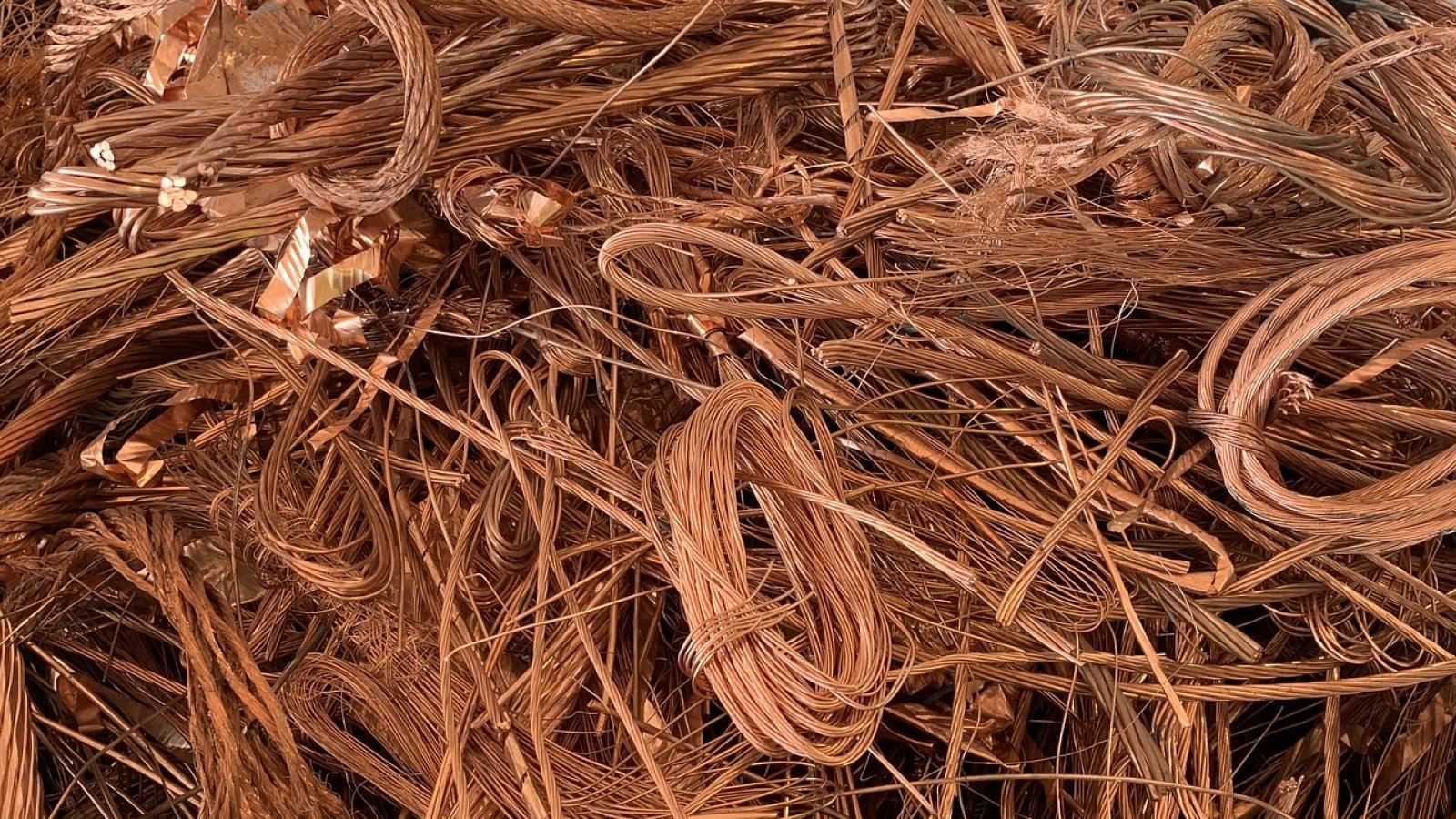
The rapid development of artificial intelligence, robotics, and the defense industry is expected to drive a sharp increase in global demand for copper, while existing mining capacity may prove insufficient, Reuters reports, citing a study by consulting firm S&P Global.

According to analysts’ estimates, global copper demand will reach 42 million metric tons per year by 2040, up from 28 million tons in 2025—an increase of about 50%. At the same time, without new sources of supply and more active recycling, the annual deficit could exceed 10 million tons, leaving nearly a quarter of demand unmet.

Copper is traditionally widely used in construction, transportation, electronics, and technology due to its high electrical conductivity, corrosion resistance, and ease of processing. While the electric vehicle industry was the main driver of demand over the past decade, artificial intelligence, defense systems, and robotics are expected to play a key role over the next 14 years. Consumer goods—from air conditioners to other household appliances—will also provide additional support to demand.

At the same time, rising defense budgets in Japan, Germany, and other countries, as well as the war with Russia, will further stimulate copper consumption.

Chile and Peru remain the largest copper producers, while China is the world’s largest smelter. The United States imports about half of the copper it consumes, despite tariffs imposed on certain types of the metal. S&P’s report does not take into account potential supply from deep-sea mining.

Russia–China trade begins to shrink for the first time since the start of the war

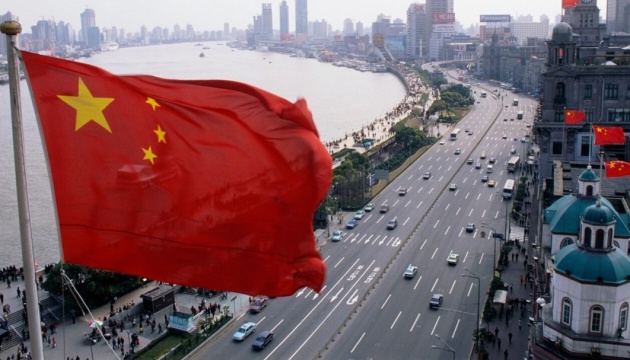
Trade between Russia and China, which became a key pillar of the Russian economy under Western sanctions, began to decline in 2025 for the first time since the start of Russia’s full-scale war against Ukraine.

From January to November, China cut purchases of Russian crude oil by 7.6% to 91.5 million tonnes. In value terms, exports fell by 20% due to lower prices and larger discounts.

Imports of Russian petroleum products declined by 3% for light distillates and by 33% for heavy distillates. In monetary terms, shipments dropped by 33% and 40%, respectively.

Russian coal exports to China fell by 11% in volume terms to 72.4 million tonnes. Timber supplies decreased by 10% in physical terms and by 8.7% in value. Purchases of ferrous metals collapsed by 63% to 245,000 tonnes.

Despite a 12% increase in liquefied natural gas exports to China in physical terms, their value fell by 1.8%.

In addition, for the first time since the war began, shipments of Chinese goods to Russia also declined—by 11.8% to $91.7 billion. Imports of Chinese vehicles were cut in half.

In the first year of the war, Russia–China trade grew by 30%, and by another 30% in 2023. In 2024, growth slowed to 2%, while in 2025 a downturn began. As a result, Russia’s share in China’s exports fell from 3.2% to 2.7%, pushing Russia down to ninth place among China’s largest buyers.

The contraction in trade continues despite appeals by Russian President Vladimir Putin, voiced during his four-day visit to Beijing in August.

Analysts note that a 1% decline in aggregate demand in China reduces Russia’s GDP by 0.1%, while a 30% drop in Chinese and Indian purchases of Russian oil would lead to a 1.6% contraction of the Russian economy.

Thus, despite Kremlin statements about a “strategic partnership without limits” with China, experts stress that the relationship remains deeply asymmetric. For Russia, China is a key market for raw materials—primarily oil and gas—whereas for China, Russia remains a relatively small export market.

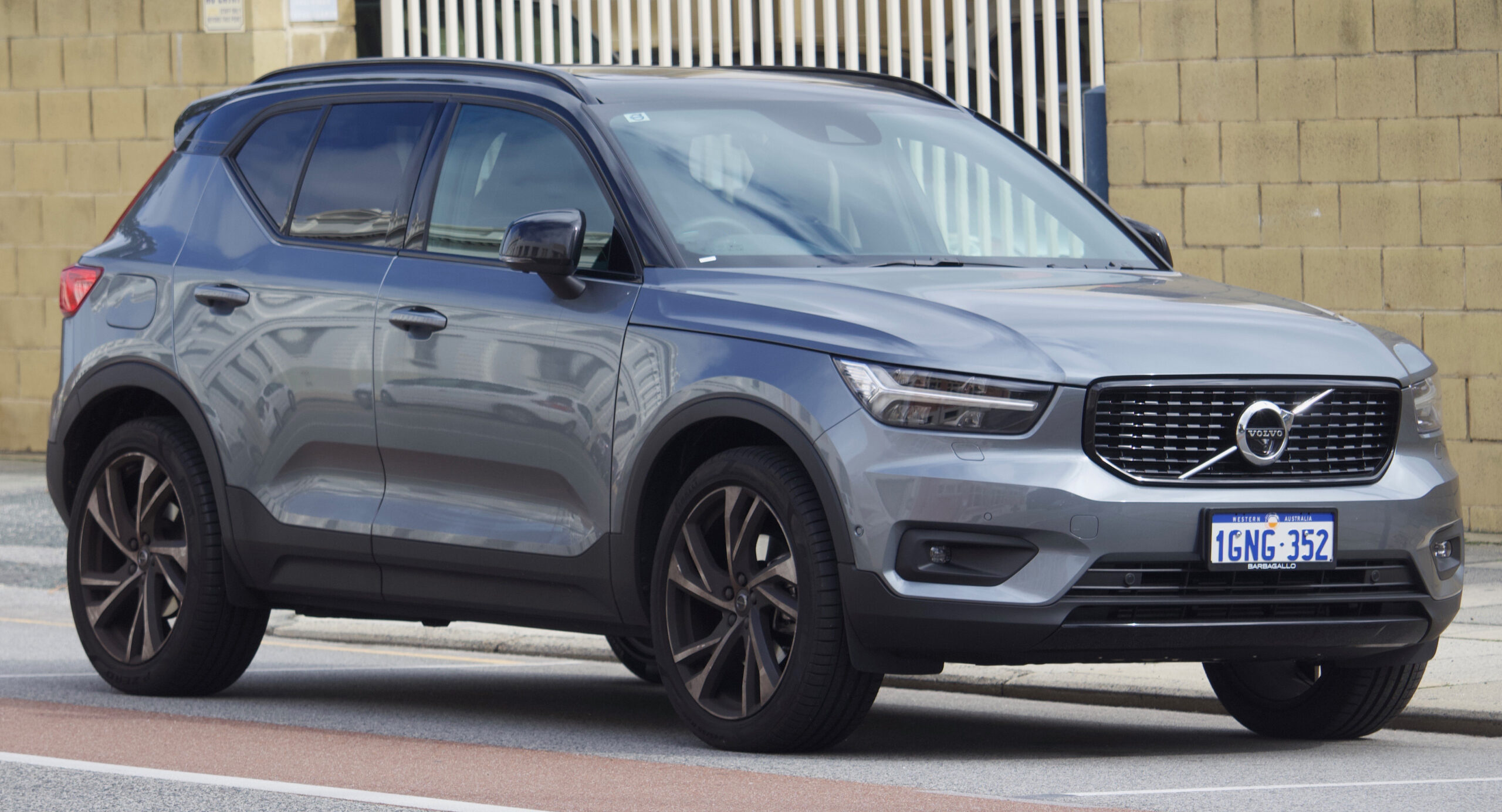
Volvo recalls more than 413,000 XC40 crossovers

Swedish automaker Volvo Cars has announced the recall of 413,151 vehicles in the United States due to a malfunction involving the rearview camera, Reuters reports.

The issue stems from software that may cause the camera to operate incorrectly. The fix will involve a software update, which will be provided free of charge either at dealerships or via an over-the-air update.

The recall affects Volvo XC40 crossovers from the 2021–2025 model years. This is the second recall for the same vehicles in the U.S. market: the previous one was announced in May last year. The company explained that the new campaign follows the discovery of an additional issue that causes the same symptom as before.

Volvo also said it is finalizing corrective software for all affected vehicles.

Turkey agrees on long-term gas supplies with Azerbaijan

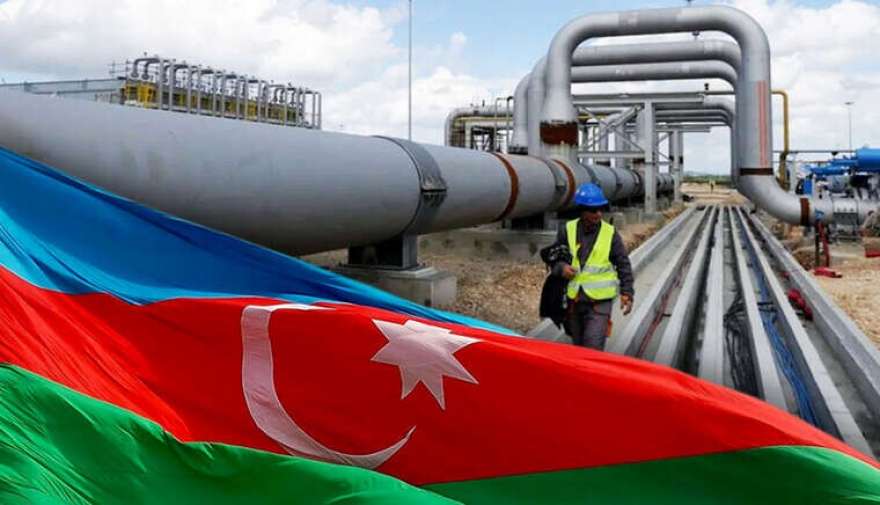
Turkey and Azerbaijan have signed a long-term gas agreement for a period of 15 years, under which Ankara will receive 2.25 billion cubic meters of gas annually from the Absheron field. This was announced by Turkey’s Minister of Energy and Natural Resources, Alparslan Bayraktar, Haber 7 reported.

The new agreement with Azerbaijan covers a total of 33 billion cubic meters of natural gas.

Bayraktar noted that for 15 years Turkey will receive 2.25 bcm of gas per year from the Absheron field in the Caspian Sea. The agreement will come into force in 2029.

“We will supply this gas to Turkey via the Baku–Tbilisi–Erzurum pipeline,” the minister added.

According to Bayraktar, thanks to long-term agreements and a diversification strategy, Turkey has secured its energy supply and is able to obtain fuel at competitive prices.

Poland becomes a key supplier of coke to Ukraine

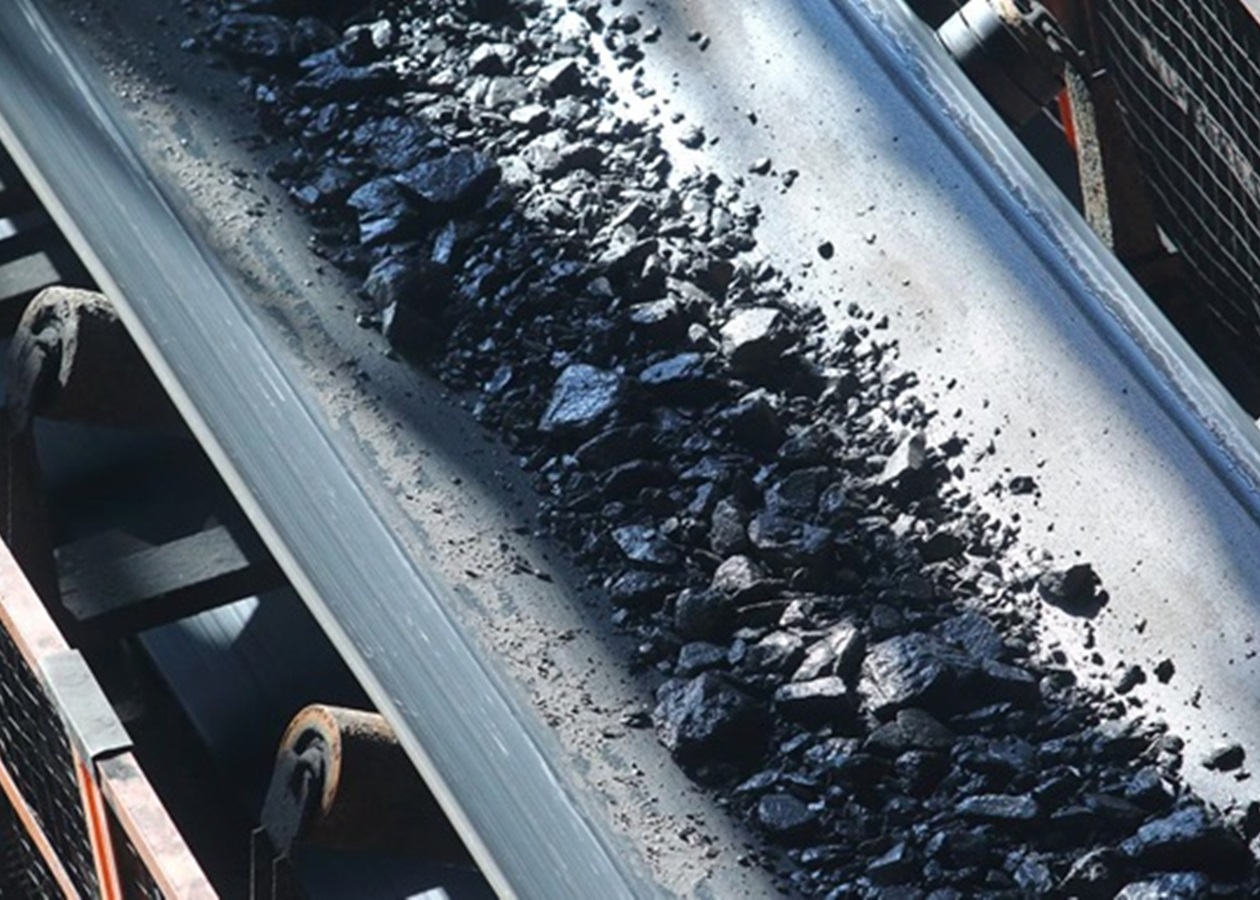
In January–November 2025, Ukrainian steelmakers increased imports of coke and semi-coke by 3.2% year on year to 642.8 thousand tonnes. Almost the entire volume was supplied by Poland, accounting for 94%, GMK Center reported, citing its own calculations based on data from the State Customs Service.

Last year, Ukraine imported 602.01 thousand tonnes of coke from Poland. In addition, 27.67 thousand tonnes were imported from Indonesia and 13.06 thousand tonnes from the Czech Republic over the same period.

GMK Center notes that between 2013 and 2024, Ukraine’s coking coal output declined by 74%, while coke production fell by almost 85%. This was largely due to the fact that a significant share of mines and coke plants—64% of the total—ended up in territories outside government control.

According to analysts’ estimates, to maintain current production levels—up to 6.5 million tonnes of steel produced via basic oxygen and open-hearth processes and 1.3 million tonnes of merchant pig iron—Ukraine needs about 3.2 million tonnes of coke per year.

NBU transferred over UAH 88 billion to defense over the year

In December 2025, nearly UAH 20 billion was credited to the National Bank of Ukraine’s (NBU) special account to support the defense forces, bringing the total for the year to almost UAH 97 billion in equivalent terms. More than UAH 88 billion was transferred to defense needs over the year, the NBU reported.

Overall, since the start of Russia’s full-scale invasion of Ukraine, nearly UAH 146.8 billion has been credited to the NBU’s special account.

Funds came from Ukrainian citizens and businesses as well as from the international community, including contributions from the United States, the United Kingdom, Germany, Denmark, Sweden, Finland, Poland, Switzerland, Norway, Australia, France, Canada, Bulgaria, Hong Kong, Lithuania, and many other countries.

More than UAH 125 billion (in equivalent terms) was received from abroad in foreign currencies, including U.S. dollars, euros, pounds sterling, Canadian dollars, Chinese yuan (renminbi), Japanese yen, Swiss francs, Polish zloty, and Australian dollars.

Last year, the NBU transferred over UAH 88 billion from the special account to defense needs, including nearly UAH 26 billion in December 2025 alone.

Since the beginning of the full-scale invasion, more than UAH 122.6 billion has been transferred to support defense.

The largest allocations were directed to the Defense Procurement Agency (over UAH 69.39 billion), the Ministry of Defense (over UAH 36.66 billion), the State Service of Special Communications (over UAH 8.17 billion), the National Guard (UAH 1.65 billion), and the National Police (UAH 1.65 billion).

As of January 1, 2026, the balance on the special account exceeded UAH 24.7 billion.

The U.S. will recoup all money spent on Ukraine

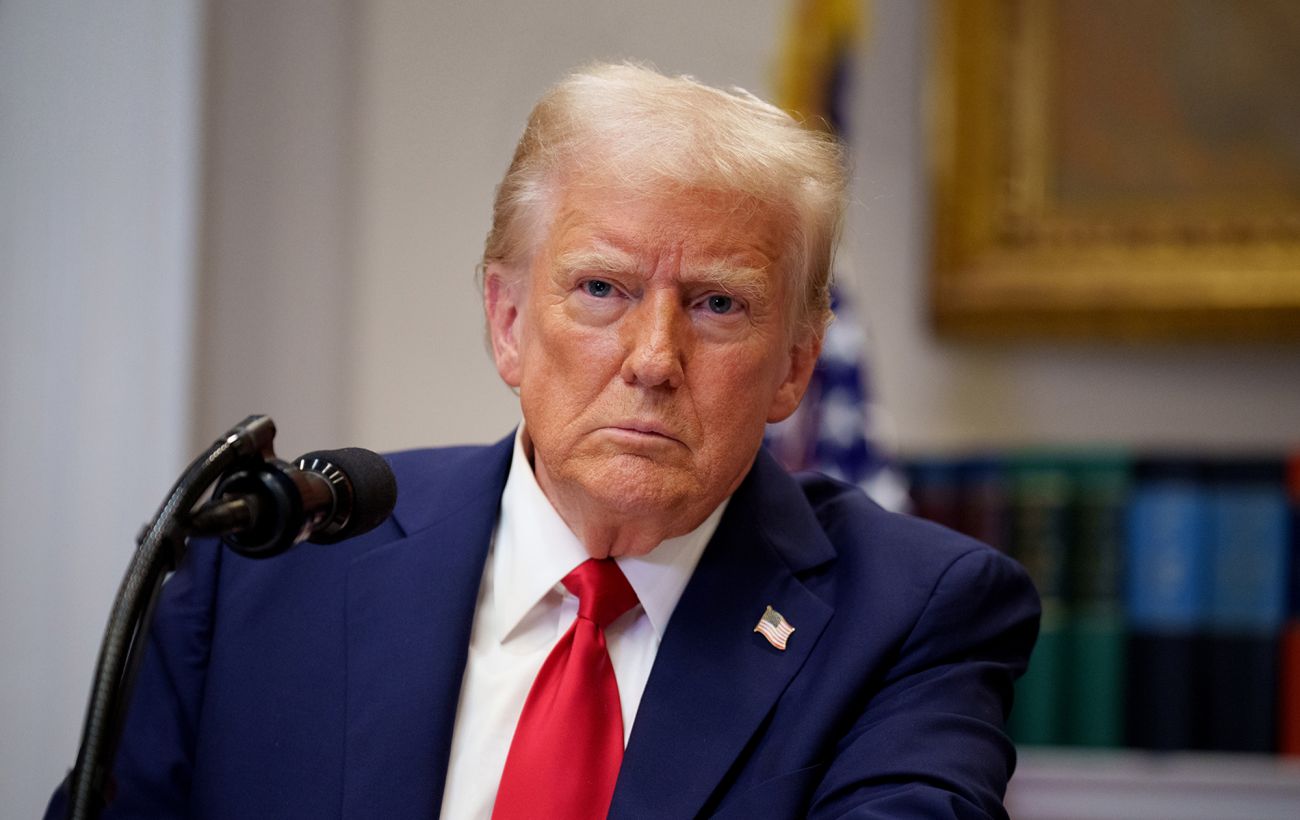
Washington will be able to recover all — or even “more than all” — of the money spent on Ukraine during the Biden administration, U.S. President Donald Trump said while speaking to reporters.

According to him, the war in Ukraine currently costs the United States nothing, and Washington is instead making money from it.

“What’s more, we’re making money, because unlike Biden — Biden gave $350 billion, just gave it away,” the U.S. president said.

Trump added that, thanks to a rare earths agreement, Ukraine has already returned “a significant portion of the money spent” to the United States.

He believes there will be even more returns.

“Now I’ve gotten a large part of it back, because we made a deal on rare earths, we got into the rare earths business, and we’re going to get a lot of that money back. Maybe all of it, maybe even more than all of it,” the White House said.

BYD overtakes Tesla in the electric vehicle market

Automaker Tesla has lost its title as the world’s leading seller of electric vehicles, уступing it to China’s BYD, Bloomberg reports.

In 2025, Tesla’s vehicle deliveries fell by 8.6%, while fourth-quarter sales dropped by 16% to 418,227 units.

By contrast, BYD delivered 4.6 million vehicles last year, up 7.7% from 2024. Nearly 2.26 million of those were fully electric vehicles, with the rest being hybrids. Overseas sales exceeded analysts’ expectations, reaching 1.05 million units, helping to offset weaker demand in the domestic market.

For 2026, BYD has set a target to expand international sales to 1.5–1.6 million units and, according to analysts, could reach total vehicle sales of 5.3 million.

Meanwhile, investors remain focused on Tesla’s projects in artificial intelligence and autonomous driving, while the company’s core business continues to face pressure from declining vehicle sales.

In the United States, Tesla’s largest market, federal incentives for purchasing electric vehicles have been scrapped, and fuel economy and emissions standards have been relaxed—policies that had previously generated billions of dollars in revenue for the company.

Tesla continues to test self-driving vehicles in Austin and San Francisco and is preparing to launch sales of the compact Cybercab vehicle.

Disney оштрафували на $10 млн за порушення правил захисту даних дітей

Компанія Disney виплатить 10 млн доларів штрафу у справі про порушення федерального законодавства США щодо захисту персональних даних дітей. Про це повідомляє Міністерство юстиції США.

Зазначається, що Федеральний суд США схвалив мирову угоду у справі проти підрозділів Disney Worldwide Services та Disney Entertainment Operations. У позові стверджувалося, що компанія неправильно позначала деякі свої відео на YouTube, ставлячи їх до категорії “не для дітей”.

Згідно з рішенням, Disney сплатить 10 млн дол. цивільних штрафів у рамках угоди щодо вирішення звинувачень Федеральної торгової комісії у порушенні компанією Disney Закону про захист конфіденційності дітей в Інтернеті та його імплементаційних правил (COPPA) у зв’язку з популярним відеоконтентом Disney на YouTube.

Така політика дозволяла Disney та її партнерам показувати дитячій аудиторії таргетовану рекламу та збирати персональні дані дітей без повідомлення батьків і їхньої згоди. Такі дії порушують закон COPPA, що забороняє збір персональної інформації дітей до 13 років без дозволу батьків.

Також суд заборонив Disney надалі порушувати вимоги COPPA на YouTube та зобов’язав компанію запровадити постійну програму перевірки контенту для дотримання правил захисту приватності дітей.

WP2Social Auto Publish Powered By : XYZScripts.com