Ukrzaliznytsia tests automatic track gauge change technology

Ukrzaliznytsia (UZ) plans to conduct an experiment to introduce automatic track gauge change technology for freight railcars. This was discussed during a meeting between representatives of the company and the business community.

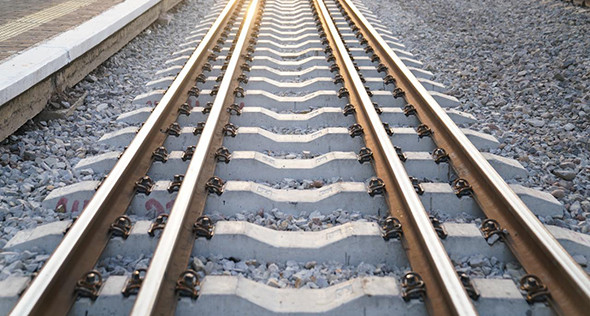
The company is currently working to expand the TEN-T corridor network within Ukraine, in particular by developing standard-gauge (European gauge) rail lines. This year, construction of the 1,435 mm track between Chop and Uzhhorod was completed, and electrification of this section is now under way. Over the next two years, UZ also plans to implement a project to build standard-gauge track on the Mostyska II–Sknyliv (Lviv) section. At the same time, the two track gauges — 1,520 mm and 1,435 mm — will coexist in parallel. As a result, these gauges will interface not only at the EU border but also within Ukraine. To speed up and simplify freight transportation under such conditions, UZ is considering, among other solutions, the introduction of Spanish automatic gauge-change technology for freight railcars.

Ukrzaliznytsia plans to test the technology in two stages. During the first stage, which will last 2–2.5 years, prototype units will be built — two railcars that will undergo various tests. A gauge-change station will also be constructed, and preparations for certification will be carried out.

However, it has not yet been determined which specific types of railcars will be involved. UZ representatives noted that they are awaiting proposals from businesses regarding the types of rolling stock they need.

In the second stage, the plan is to assemble a train of 30–35 European-profile railcars and test it under actual freight transportation conditions.

At the same time, company representatives clarified that the project involves adapting Spanish technology to the standardized Y25 bogie. After certification, such a bogie could be integrated with any type of railcar.

Google decides to remove all its servers from Russia

U.S. company Google has informed Russian internet providers of its intention to remove its Dell R720 servers, which are used to speed up content delivery to users, Russian media report.

According to sources, the equipment is part of the Google Global Cache (GGC) system and is used to store YouTube videos, maps, updates for Android apps and the Chrome browser, images from Google Search, and other content. Google stopped installing such servers in Russia after the start of the war against Ukraine.

The notice says that the decommissioning of the servers is planned to begin on January 26, 2026, as the Dell R720 servers have been discontinued and are no longer covered by warranty.

According to the company, these servers “handle a minimal volume of traffic.” At the same time, other Google Global Cache servers located in Russia will “remain in operation.”

One internet provider told the outlet that in a follow-up letter Google asked them to disconnect and remove the specified servers from their racks and to provide an address from which they could be collected. According to the provider, some of the Dell R720 machines have “already been removed,” with the process handled by the European company MPK Asset Solutions, which specializes in IT asset lifecycle management, including dismantling and disposal.

Google ceased commercial operations and closed its office in Russia after the full-scale invasion of Ukraine, leaving only its free services available. The company’s local legal entity, Google LLC (Russia), was declared bankrupt in October 2023.

Ford discontinues the Escape crossover

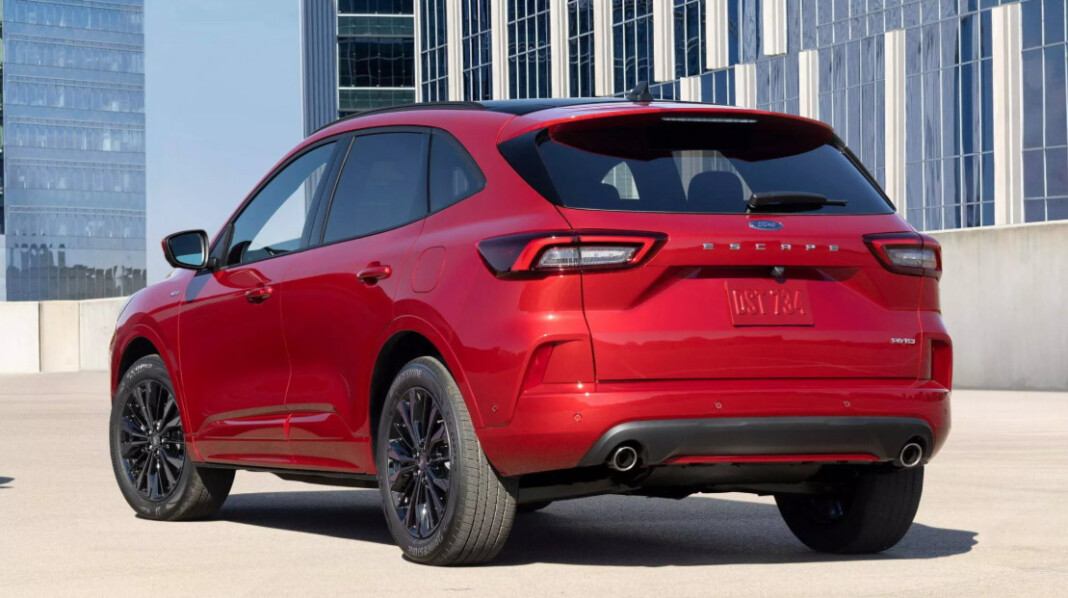
Ford has officially ended production of the compact Escape crossover for the U.S. market. According to Carscoops, the last Escape rolled off the assembly line at the Louisville Assembly Plant, bringing to a close a model history that began in 2000.

Although Ford is now focusing on the Bronco Sport and the Maverick pickup, many dealers have openly expressed concern about the decision, fearing that the disappearance of the Escape will push customers toward competitors. Historically, the model was one of the brand’s key offerings: at its peak in 2017, Escape sales exceeded 308,000 vehicles. In 2023, sales fell to about 141,000 units, then rose slightly in 2024 to nearly 147,000. In the first 11 months of 2025, Ford sold 132,471 Escapes.

That figure is nearly on par with the Bronco Sport’s performance over the same period, but dealers note that the more traditional Escape was often sold with significant discounts, making it more attractive to mass-market buyers.

Production of the Escape and the related Lincoln Corsair was halted amid a $2 billion overhaul of the Louisville plant. The facility is being prepared to build a midsize electric pickup based on Ford’s new universal EV platform, with production scheduled to begin in 2027. The Corsair, meanwhile, is likely to live on as a China-built model.

Dealers say the Escape played a crucial role in the affordable segment, attracting new customers and allowing them to be gradually upsold to more expensive models while keeping them within the brand. Its disappearance, they warn, could cost Ford an entire generation of customers who may switch to competitors and never return.

Ford, however, disagrees with these assessments. The company is confident in the potential of the Bronco Sport and Maverick and says it is developing five new affordable models that it plans to bring to market by 2030. Until then, dealers will have to work with the existing lineup and convince buyers to stay with the brand, even without one of its most popular crossovers.

U.S. delays tariffs on Chinese chips until 2027

The administration of U.S. President Donald Trump has announced plans to impose tariffs on imports of Chinese semiconductors over concerns about Beijing’s ambition to dominate the chip industry, but the actual implementation of the tariffs will be delayed until at least June 2027, Reuters reports.

The tariff rate will be announced no later than 30 days before it takes effect. The decision follows a year-long investigation under Section 301 into China’s unfair trade practices, which focused on U.S. imports of so-called legacy chips. The investigation was launched under the administration of Joe Biden.

The Office of the U.S. Trade Representative said China’s targeted policy aimed at dominating the semiconductor industry is unjustified and restricts U.S. trade, and therefore could warrant trade sanctions.

China’s embassy in Washington opposed any tariffs, warning that politicizing trade and “weaponizing trade and technology” would destabilize global production and supply chains and ultimately backfire. Beijing also said it is ready to take all necessary measures to protect its legitimate interests.

As part of talks with China, Washington has also postponed the introduction of new restrictions on exports of U.S. technologies to subsidiaries of already sanctioned Chinese companies. Meanwhile, the industry is awaiting the outcome of a broader Section 232 investigation into semiconductor imports from around the world on national security grounds. If completed, the U.S. could impose additional tariffs not only on Chinese chips but also on a wide range of electronics from other countries.

Zelenskyy signs law on the creation of a postal bank

President Volodymyr Zelenskyy has signed a law providing for the introduction of a new type of bank in Ukraine — a financial inclusion bank. This was announced by Danylo Hetmantsev, head of the Verkhovna Rada Committee on Finance, Tax and Customs Policy, on Telegram.

The law предусматривает the establishment of a new type of bank — a financial inclusion bank — which will operate under a limited banking license.

The main purpose of such a bank will be to serve clients who currently lack stable access to financial services, including Ukrainian citizens and microenterprises in areas close to the combat zone, in liberated territories, as well as socially vulnerable groups.

A financial inclusion bank will be able to provide banking and other financial services to individuals, businesses, public and charitable organizations, as well as state authorities and local governments.

Hetmantsev noted that existing banks, postal operators, large retail chains, gas station networks, and other companies that already have experience serving large numbers of customers and operate extensive networks may be interested in obtaining a limited banking license.

The last car priced under $20,000 has been discontinued in the U.S.

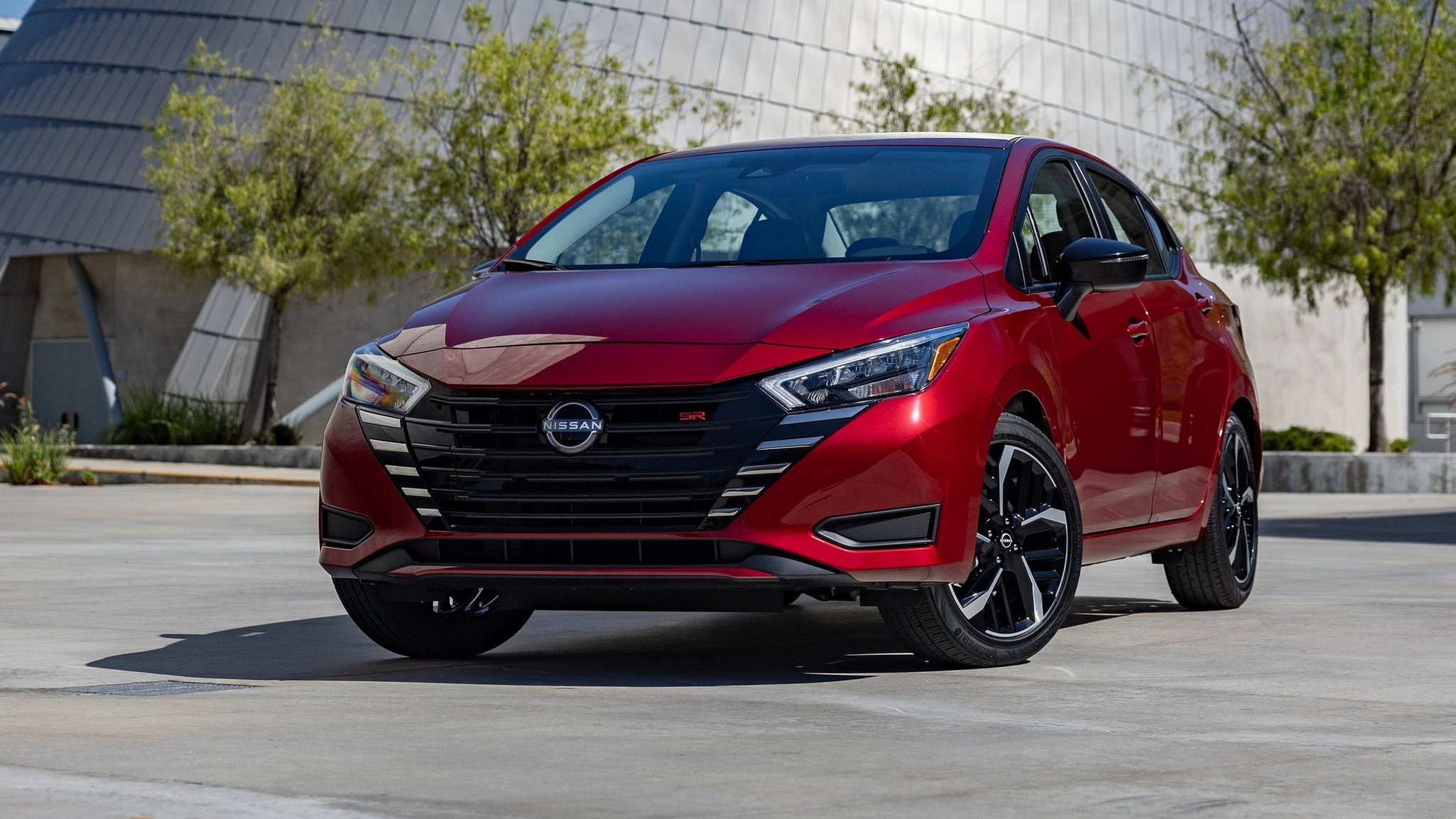
The U.S. market is losing another iconic model from the affordable car segment, The Drive reports. Nissan is officially discontinuing sales of the subcompact Versa sedan in the United States — a car that for many years held the status of one of the cheapest new passenger vehicles in the country.

As the company confirmed, production of the Nissan Versa for the U.S. market ended in December 2025. According to Nissan Senior Manager of Product Communications Josh Clifton, the decision was made as part of the brand’s updated product strategy. Going forward, the automaker will focus on other sedans such as the Sentra and Altima, as well as compact crossovers, including the Kicks.

With the Versa’s exit, the title of the cheapest new car in the U.S. will likely pass to the Kia K4, which has a starting price of around $23,385. However, final pricing for the 2026 model year has yet to be finalized, so the situation may still change. For comparison, Nissan’s next sedan in the lineup, the Sentra, costs about $500 more.

The disappearance of this model once again highlights a broader trend: inexpensive passenger cars are gradually vanishing from the U.S. market. Automakers are increasingly prioritizing higher-priced models and crossovers that deliver greater profits, leaving budget-conscious buyers with fewer and fewer options.

Germany allocates record tranche for the restoration of Ukraine’s energy sector

Germany has made its largest single contribution to support Ukraine by transferring more than €160 million to the Ukraine Energy Support Fund. This amount is the biggest one-time contribution since the Fund was established, Ukraine’s Deputy Minister of Energy Mykola Kolisnyk said.

Overall, €245 million in new contributions was transferred to the Fund in December 2025. In addition to Germany’s Federal Foreign Office, the German Federal Ministry for Economic Affairs and Energy also provided €3 million through Germany’s development bank KfW.

The Ukraine Energy Support Fund, administered by the Secretariat of the Energy Community, is one of the most effective mechanisms of international assistance to Ukraine’s fuel and energy sector, Kolisnyk noted.

The Fund’s resources are used to procure equipment for energy companies and to restore infrastructure damaged by enemy attacks.

In December, during a series of high-level international meetings, Ukraine received assurances from its partners of continued, systematic support.

In addition to the Fund’s mechanisms, Ukrainian energy workers also receive international humanitarian assistance in the form of equipment.

Since the start of the full-scale invasion, Ukraine has received 1,995 humanitarian cargo shipments with a total weight of nearly 26,000 tonnes from 38 countries.

Tesla’s Robotaxi project is far smaller than Elon Musk claims

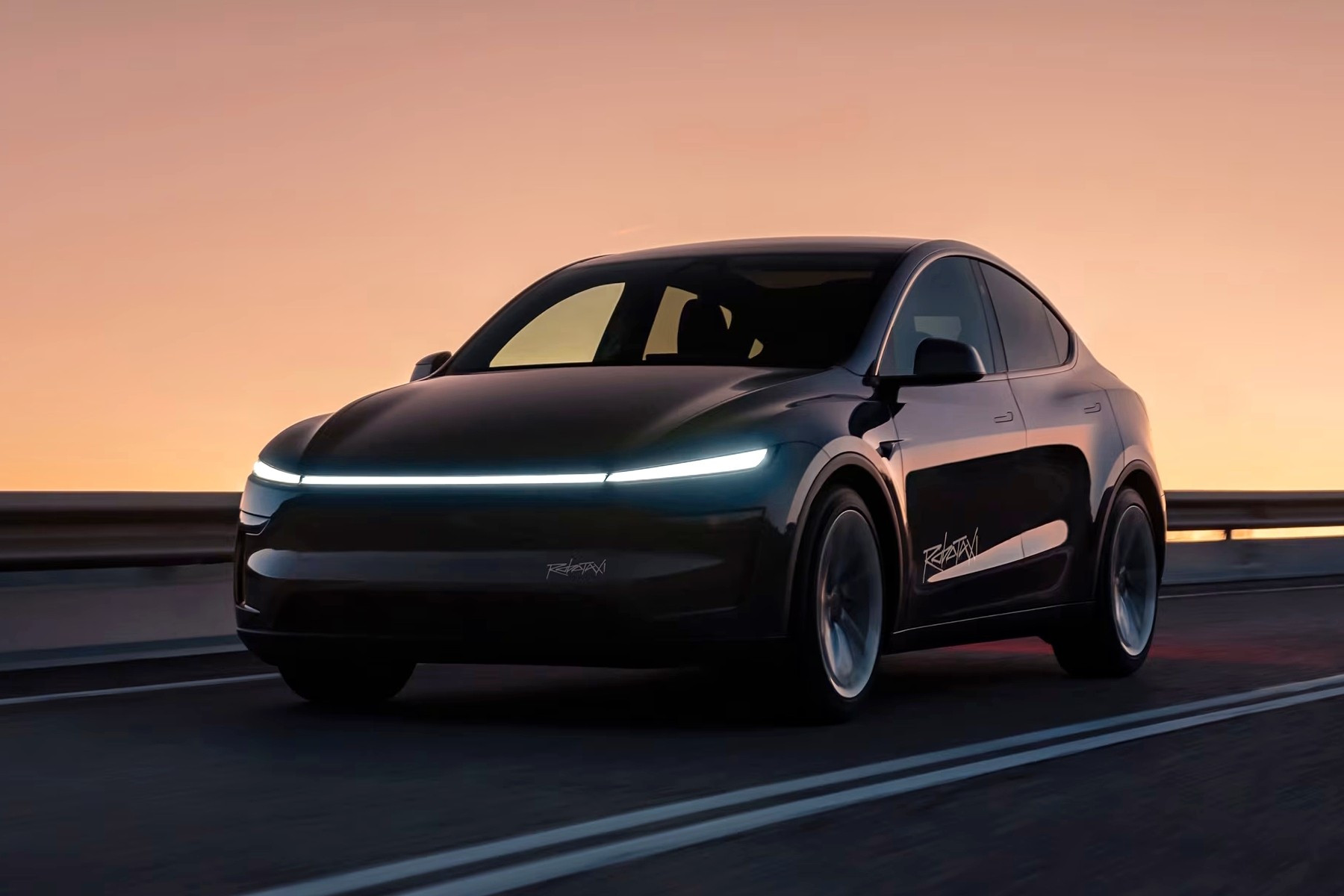
The actual scale of Tesla’s Robotaxi service in Austin, Texas, is significantly smaller than the public statements made by the company and its CEO Elon Musk, Electrek reports. The outlet contacted Ethan McKenna, a 19-year-old engineering student at Texas A&M University, who independently analyzed the Robotaxi app and found that no more than a handful of autonomous vehicles — roughly one to five — are operating in the city at any given time.

According to McKenna, he was able to reverse-engineer the Tesla Robotaxi app’s API and collect data on service availability. Based on this information, he created an online tracker that monitors the network’s operation. In total, 32 Tesla Model Y crossovers were identified in the system as formally belonging to the Robotaxi fleet in Austin. However, this does not mean that all of them are actually on the road.

Tracker data shows that most of the time the service is either unavailable or operating with a minimal number of vehicles. Over the past week, Robotaxi was unavailable about 60% of the time. McKenna explains that every five minutes the system checks wait times at 11 different points within the service area. If the app displays “high demand” or an error, the service is considered unavailable. In many cases, Robotaxi does not operate at any location at all, even during its officially stated operating hours.

In the researcher’s view, “high demand” messages are misleading to users. In reality, the issue is not excessive demand but a shortage — or complete absence — of vehicles on the road. This is further supported by the fact that users often receive the same vehicles for their rides, which is unusual for services with a sizable fleet.

The situation sharply contrasts with Elon Musk’s claims. After launching the pilot project in June, Tesla announced that the service would open “to everyone” in September, and in November Musk said the fleet had doubled. He also predicted that by the end of the year around 500 robotaxis would be operating in Austin and that the service would cover half of the U.S. population. Separately, Musk promised to eliminate safety drivers inside the vehicles.

Estonia to finance the restoration of Ukraine’s energy sector

The Estonian government has decided to transfer an additional €2 million to the Ukraine Energy Support Fund to help restore Ukraine’s energy infrastructure, according to a statement by Estonia’s Ministry of Climate.

The funds will be used to cover the urgent needs of Ukrainian energy companies, including the purchase of spare parts, generators, and fuel, as well as emergency repair works.

Estonia’s Minister of Energy and Environment, Andres Sutt, emphasized that the support will help Ukraine cope with potential challenges during the winter period.

Tallinn also recalled that the country had previously contributed €620,000 to the Fund through resources from the Ministry of Foreign Affairs.

The Ukraine Energy Support Fund was established under an agreement between the European Commission and Ukraine’s Ministry of Energy to minimize the impact of Russian attacks on critical energy infrastructure.

Fitch upgrades Ukraine’s credit rating

International rating agency Fitch Ratings has upgraded Ukraine’s long-term foreign-currency issuer default rating (LTFC IDR) from Restricted Default to CCC.

The move followed Ukraine’s announcement of an agreement with creditors to exchange its GDP-linked warrants.

According to Fitch, the rating upgrade reflects the normalization of Ukraine’s relations with most external commercial creditors, the completion of debt restructuring, and new support from the European Union in the form of a €90 billion loan.

The CCC rating indicates substantial credit risk due to the war and its macroeconomic and fiscal consequences, but also takes into account a manageable external debt repayment profile, sizeable foreign exchange reserves, and continued EU support.

Ukraine had been rated Restricted Default since August 2024, after it began restructuring its Eurobond debt. The country has already restructured 94% of its sovereign commercial debt.

WP2Social Auto Publish Powered By : XYZScripts.com