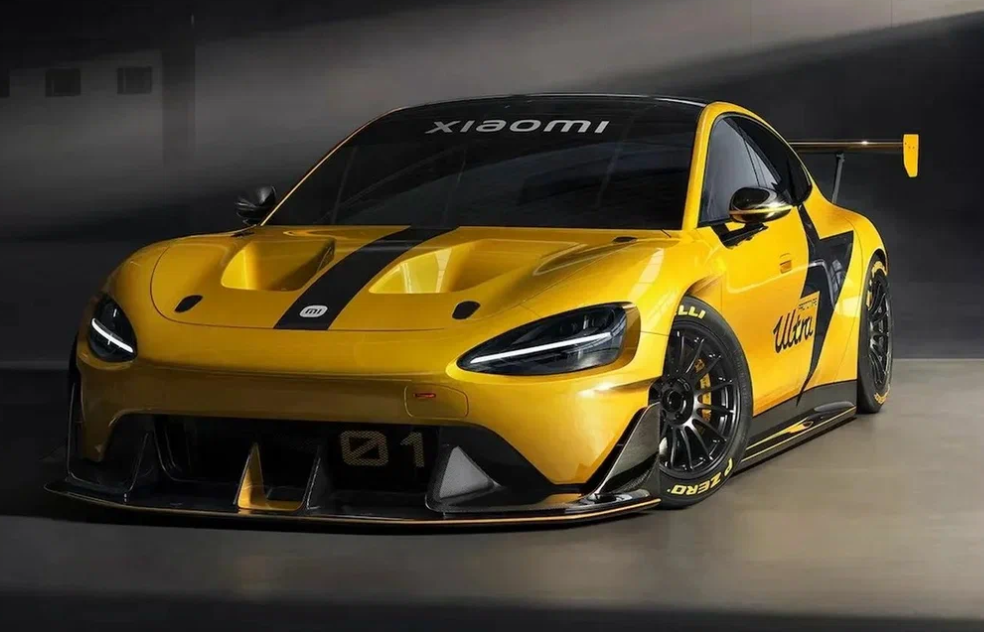
Xiaomi, which only recently entered the automotive market, has faced a sharp drop in sales of its most expensive and most powerful model—the SU7 Ultra electric sports car. According to CarNewsChina, only 45 vehicles were sold in December, compared with peak demand in March last year, when sales reached 3,101 units.
According to statistics from Dongchedi, from March to August 2025 monthly sales of the SU7 Ultra remained at 2,000–3,000 units. However, the trend changed резко in the fall: 488 cars were sold in September, 130 in October, fewer than 100 in November, and just 45 units in December.
Despite the current downturn, total SU7 Ultra sales exceeded 10,000 units, allowing Xiaomi to meet its initial plan. The bulk of sales came in the first half of the year, while around 3,000 vehicles were sold in the second half.
At the same time, the brand’s base models, the SU7 and YU7, continue to increase sales volumes. Analysts do not rule out that the popularity of the SU7 Ultra may have been affected by a series of scandals related to this specific version of the EV, as well as the overall situation in China’s extremely competitive electric vehicle market, where price wars are dampening interest in expensive niche models.
In 2026, Xiaomi expects to sell up to 550,000 electric vehicles across all models, focusing primarily on the mass-market segment.

SpaceX has acquired the startup xAI, combining its space business with the developer of the Grok chatbot. Elon Musk announced the deal on the X platform.
According to Reuters, the merger could value SpaceX at $1 trillion and xAI at $250 billion, making it the largest merger and acquisition deal in history. The previous record was held by Vodafone’s acquisition of the German company Mannesmann in 2000, valued at $203 billion.
xAI investors will receive 0.1433 shares of SpaceX for each share of the startup. At the same time, some top xAI executives will be able to opt for cash compensation instead of SpaceX shares, priced at $75.46 per share. The combined entity plans to set the share price at around $527 per share, a source told the publication.
Prior to the deal, SpaceX was valued at $800 billion during its most recent insider share sale, while xAI was valued at $230 billion in November last year.
As the agency notes, the merger comes amid preparations for a SpaceX stock listing later this year, which could value the company at more than $1.5 trillion.
The head of the corporations already has experience merging his own businesses. Last year, Musk integrated the social platform X into xAI through a share swap, giving the startup access to the platform’s data and distribution. In 2016, he used Tesla shares to acquire his solar energy company, SolarCity.

China has officially introduced a ban on electronic retractable door handles in electric vehicles, becoming the first country in the world to impose such strict requirements on EV door design. The new rules will take effect on January 1, 2027, and will require automakers to install mechanical door handles both on the exterior and inside electric models sold on the Chinese market.
Notably, the new regulations apply exclusively to electric vehicles. Cars with internal combustion engines, even if they also use electronically operated door handles, are not subject to the ban.
The new requirements are extremely specific. Exterior door handles must have a physical recess measuring at least 60×20 mm to ensure they can be securely grasped even after a serious accident. Inside the cabin, door-opening mechanisms must be clearly marked with visible instructions, and their placement must be standardized. At the same time, manufacturers are prohibited from relying solely on electronic systems, even if those systems are equipped with backup batteries or mechanical cables.
The changes will affect a huge number of models. Estimates suggest that as recently as spring, about 60% of the 100 best-selling electric vehicles in China used hidden or retractable door handles. These include the Tesla Model 3 and Model Y, the upcoming BMW iX3 for the Chinese market, as well as vehicles from Nio, Li Auto, Xpeng, and Xiaomi. Some companies, including Geely and BYD, have already quietly begun returning to traditional solutions.
Redesigning vehicle architecture could prove costly: according to industry sources, adapting a single model to meet the new requirements could cost more than approximately $14.4 million. At the same time, experts believe the Chinese ban could have global implications—rather than producing different versions for different markets, automakers may switch to a unified door design worldwide.
For models that have already received certification or are at the final stage of preparation for launch, a transition period is предусмотрено until January 2029.
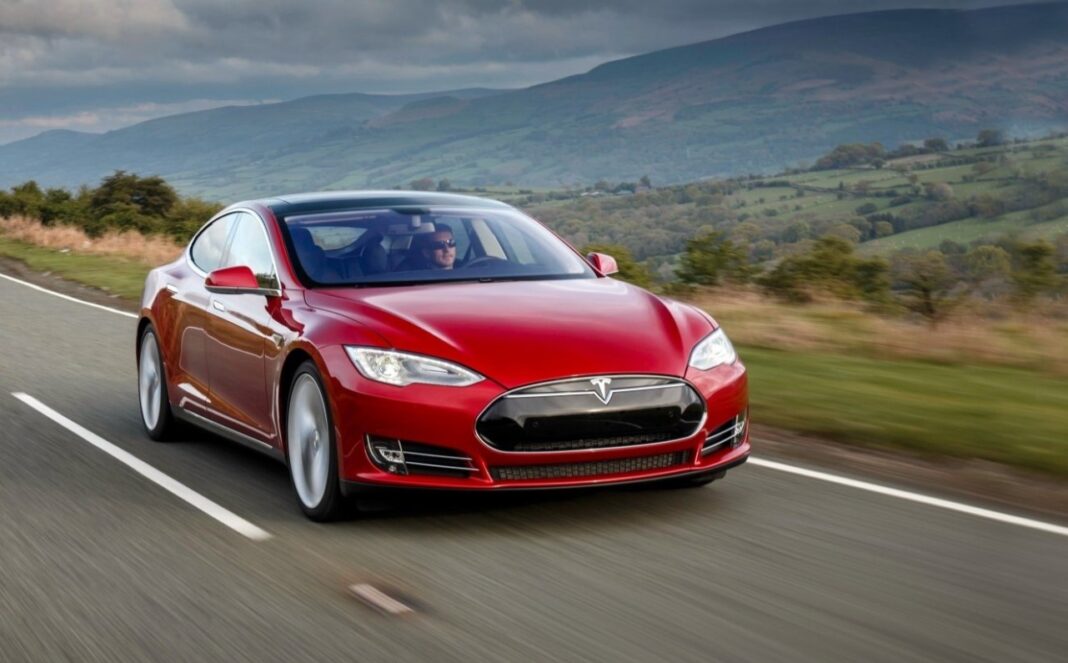
Tesla is preparing to bid a final farewell to two models that played a key role in shaping the modern electric vehicle market, Carscoops reports. The company will discontinue production of the Model S and Model X, freeing up capacity at its Fremont, California plant for the manufacturing of Optimus humanoid robots.
Tesla CEO Elon Musk announced this during the company’s earnings call. According to him, production of the Model S and Model X will end as early as next quarter, after which the plant will be repurposed.
“It is time to gracefully conclude the Model S and Model X programs as we move toward a future built on autonomy,” Musk explained to investors. He added that Tesla will continue to support owners of these vehicles, but the Fremont facilities are planned to be transformed into an Optimus factory, with a long-term goal of producing up to 1 million robots per year.
Despite updates, the Model S and Model X never received fully new generations, while competition from European and Chinese automakers continued to intensify. Instead of relaunching these models, Tesla is betting on a new direction—robotics—which, according to Musk, may have even greater commercial and technological potential than the iconic electric cars of the past decade.
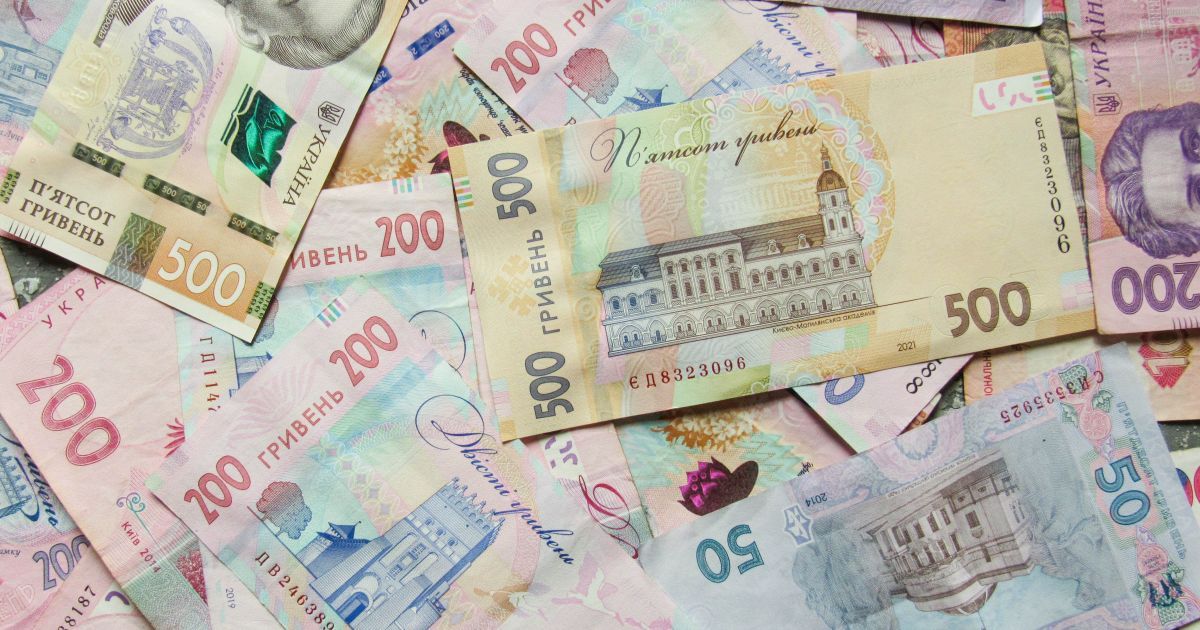
At the end of 2025, Ukraine’s public debt reached 9,042.7 billion hryvnias ($213.3 billion). Over the year, it increased by 29.5% in hryvnia terms (28.4% in dollar terms), according to the Ministry of Finance of Ukraine.
“During 2025, the volume of Ukraine’s state and state-guaranteed debt increased in hryvnia terms by 2.061 trillion hryvnias ($47.3 billion), mainly due to the growth of long-term concessional financing from international partners,” the statement said.
By the end of 2025, about 75% of Ukraine’s state and state-guaranteed debt was external. More than half of this debt consists of obligations to the European Union.
The main source of budget financing in 2025 was loans from G7 countries totaling $37.9 billion, part of which is recorded as public debt, while Ukraine also received another $12.1 billion from the European Union.
Over the year, Ukraine’s debt under concessional EU loans increased by 1.654 trillion hryvnias ($38.6 billion). However, these loans include “grace periods”: repayments under the Ukraine Facility program will begin only in 11–12 years, and the interest may be covered by the European Union.
ERA loans do not burden taxpayers at all. They are planned to be repaid using proceeds from frozen Russian assets.
As previously reported, as of July 31, 2025, Ukraine’s total state and state-guaranteed debt amounted to 7.77 trillion hryvnias ($186.13 billion). Thus, in August the public debt increased by 76.92 billion hryvnias, or $1.29 billion.
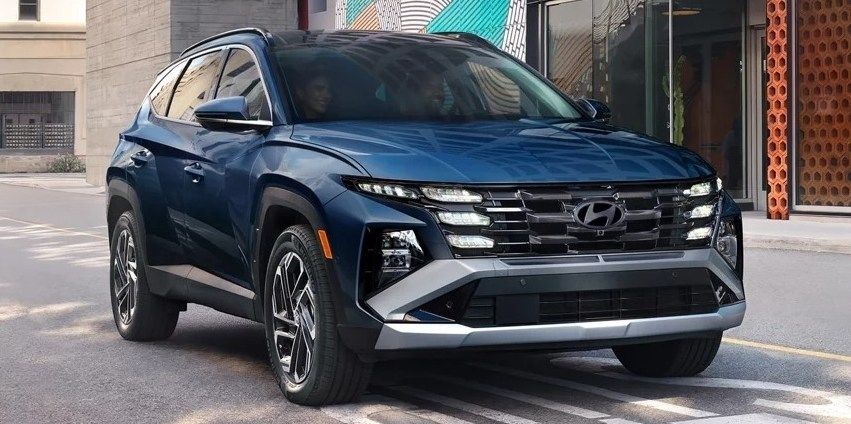
Hyundai Motor has announced a large-scale vehicle recall in the United States due to potentially dangerous airbag performance. According to Reuters, citing the U.S. National Highway Traffic Safety Administration (NHTSA), the service campaign affects 568,576 Hyundai Palisade crossovers.
According to the regulator, in these vehicles the side curtain airbags for third-row passengers may deploy incorrectly during a crash, creating a risk of injury. Hyundai is currently working with the supplier to develop a technical solution that will be offered to owners free of charge.
The Highway Traffic Safety Administration уточнили that the airbags for these vehicles were supplied by the Swedish company Autoliv, the world’s largest manufacturer of passive safety systems, including airbags and seat belts.
In addition, Hyundai is conducting a separate recall of another 41,651 vehicles in the United States due to a malfunction of the instrument panel display. In this case, the issue is expected to be resolved through a software update.

Toyota Motor sold a record 11.3 million vehicles worldwide in 2025, maintaining its status as the world’s largest automaker for the sixth consecutive year, Reuters reports.
The group’s total global sales rose by 4.6% year on year. The figures include vehicles sold under the Toyota and Lexus brands, as well as sales by subsidiaries Daihatsu and Hino Motors.
Its main rival, Volkswagen Group, reported earlier this month that its 2025 sales fell by 0.5% to fewer than 9 million vehicles. The German automaker continues to cut costs in Europe and grapple with intense competition in the Chinese market.
Toyota’s growth was driven primarily by the U.S. and Japanese markets, which together accounted for more than 40% of the parent company’s sales. Sales of Toyota and Lexus vehicles increased by 3.7% to a record 10.5 million units, largely due to strong demand for hybrid models in the United States.
Exports of vehicles from Japan to the U.S. rose by 14.2% to about 615,000 units, with the Toyota RAV4 crossover remaining the best-selling model.
In China, Toyota’s sales edged up by 0.2%, marking the first time in four years that the figure did not decline, despite extremely fierce competition.
By year-end, hybrids accounted for 42% of Toyota’s global sales, while fully electric vehicles made up a relatively small share at 1.9%.
Google has agreed to pay $135 million to settle a class-action lawsuit filed by smartphone users who accused the company of illegally collecting mobile data through the Android operating system. According to Reuters, a preliminary settlement has been submitted to the federal court in San Jose, California, and still requires approval by a judge.
The lawsuit covers owners of Android devices who used them from November 12, 2017, onward. Plaintiffs claimed that Google continued to transmit and collect cellular data—paid for by users through their mobile carriers—even when Google apps were closed, location services were turned off, and the smartphone screen was locked.
According to the plaintiffs, the data was used for product development and targeted advertising, which they described as unlawful appropriation of users’ property. Google denied any wrongdoing but nevertheless agreed to the settlement.
Under the terms of the agreement, Google committed not to transmit data without users’ explicit consent during the initial setup of an Android device, and to make it easier to disable such data transfers through separate toggle switches. Information about data processing must also be clearly outlined in the Google Play terms of service.
Plaintiffs’ attorney Glenn Summers said the $135 million settlement is the largest payout in the history of such cases. The maximum compensation for an individual class member is capped at $100. Plaintiffs’ lawyers may seek legal fees of up to $39.8 million, or about 29.5% of the settlement amount.
The trial in the case had been scheduled for August 5, but if the settlement is approved, the proceedings will be terminated. Google has so far declined to comment officially.