

Виробництво ШІ-чипів зіткнулося з дефіцитом скла з Японії

Стрімке зростання ринку штучного інтелекту дедалі частіше оголює несподівані “вузькі місця” у глобальних виробничих ланцюгах. Одним із таких обмежень виявилося спеціалізоване скловолокно для напівпровідникової промисловості, без якого неможливе масштабне виробництво сучасних ШВ-чипів. Як з’ясувалося у розслідуванні The Wall Street Journal, матеріал потрібної якості фактично постачає лише одна компанія у світі – японська Nittobo.

Історично Nittobo працювала з ткацьким обладнанням і технологіями обробки волокон, але саме ця експертиза дозволила їй раніше за конкурентів увійти в сегмент технічного скловолокна. За роки роботи компанія накопичила значну кількість ноу-хау та зайняла домінуючі позиції на ринку T-glass – спеціального типу скловолокна, яке використовується у виробництві напівпровідникових компонентів і друкованих плат.

T-glass застосовується в підкладках чипів як армувальний елемент. Він забезпечує структурну стабільність мікросхем під час роботи за високих температур, що є критично важливим для сучасних ШІ-прискорювачів та процесорів.

Різке зростання попиту змусило Nittobo переглянути цінову політику. Очікується, що вже цього року ціни на її продукцію зростуть щонайменше на 25%. При цьому Nittobo – не єдиний японський постачальник матеріалів для чипів, який іде на подорожчання. Компанія Resonac планує підвищити ціни більш ніж на 30% для частини свого асортименту.

Глобальна напівпровідникова індустрія також значною мірою залежить від менш очевидних японських виробників. Зокрема, компанія Ajinomoto, відома як виробник харчових добавок, постачає спеціальні плівки, що використовуються під час пакування чипів разом зі скловолокном T-glass.

Водночас ситуацію не можна зводити лише до спроби скористатися ШІ-бумом. Nittobo вже оголосила про плани до 2028 року утричі збільшити обсяги виробництва скловолокна, розпочавши масштабну інвестиційну програму наприкінці поточного року. Проте навіть такі темпи розширення не дозволять у короткостроковій перспективі повністю задовольнити потреби клієнтів.

У минулому фінансовому році Nittobo зафіксувала рекордний операційний прибуток у $104 млн. Аналітики зазначають, що японські компанії традиційно обережно ставляться до різкого нарощування виробничих потужностей, остерігаючись перегріву ринку. Усередині самої Nittobo ШІ-бум також не вважають достатньо довгостроковим трендом, щоб радикально змінювати масштаби бізнесу.

У результаті глобальне виробництво ШІ-чипів опинилося в залежності від вузького сегмента матеріалів, розширення якого відбувається значно повільніше, ніж зростає попит на штучний інтелект.
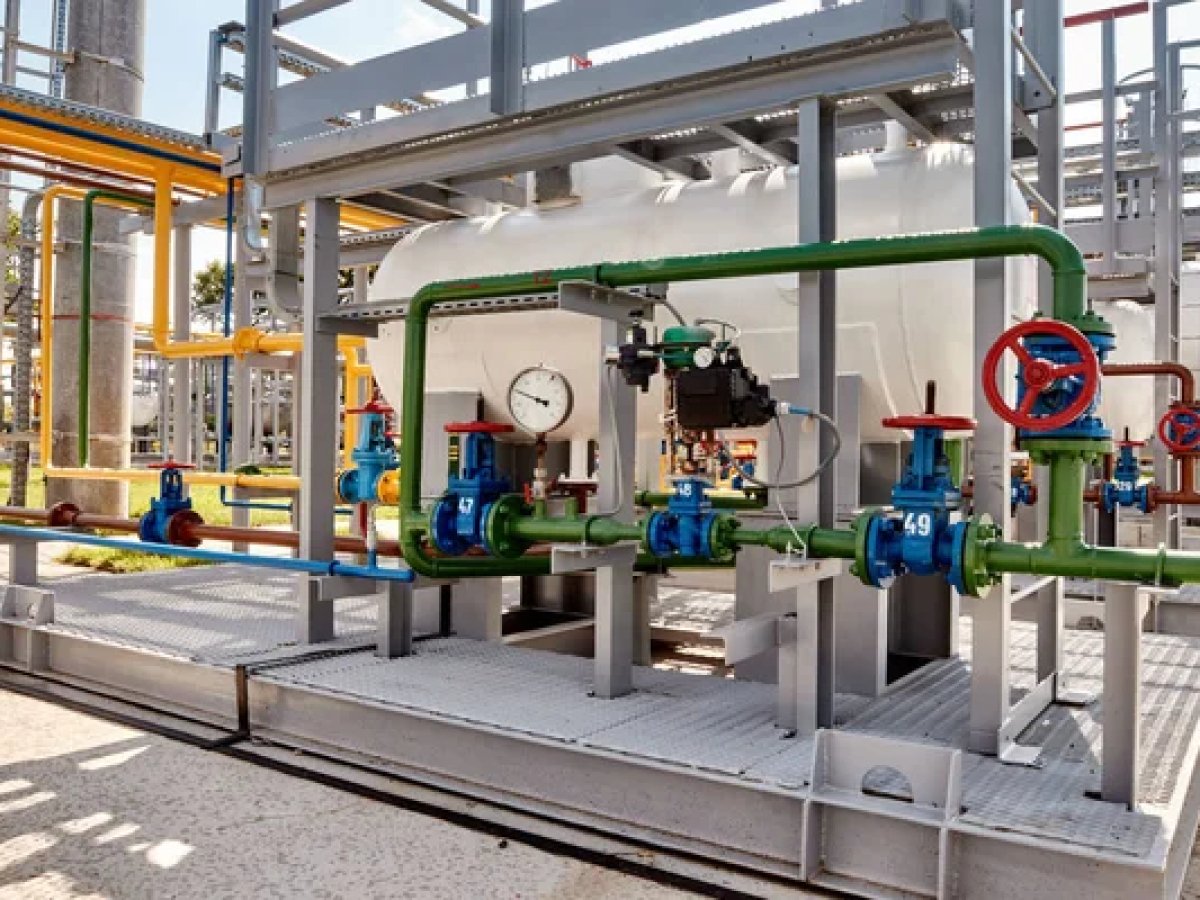
Ukraine’s Gas-Fired Generation Capacity Reaches 1.4 GW

Since the start of the full-scale war, Ukraine has commissioned 1.4 GW of gas-based distributed generation capacity, of which 1.1 GW has been connected to the power grid and 0.3 GW installed to cover on-site consumption. This was reported by the press service of the Ministry of Energy.

“In January alone, 192 MW of new capacity was brought online in Ukraine,” the ministry noted.

Nearly 60% of the existing capacity was built by private investors, while the rest was developed by state-owned and municipal enterprises using their own funds as well as international donor assistance. Within the Energy Support Fund, projects totaling 196 MW have been implemented in communities, including frontline areas.

“Currently, around 3 GW of new projects are at various stages of implementation. The key goal for this year is to fully cover the energy needs of critical infrastructure facilities in every region with distributed generation,” the Ministry of Energy emphasized.

The draft amendments to the Distributed Generation Development Strategy through 2035 set target needs of 2.2–2.7 GW of additional guaranteed generation capacity, broken down by region across Ukraine.

Cuba Records Zero Oil Imports for the First Time Since 2015

Cuba has gone a full month without importing oil for the first time in ten years. The country is facing shortages of everything from cooking gas to water and electricity, Bloomberg reports.

Mexico’s decision to halt all oil shipments to Cuba has dealt a new blow to the island. Mexico had become Havana’s main oil supplier after U.S. President Donald Trump ordered the arrest of Venezuelan leader Nicolás Maduro in January and cut off fuel supplies from Venezuela.

Monthly crude oil deliveries from Mexico had helped Cuba produce enough gasoline to meet roughly one month of domestic demand. In January, oil imports to the island fell to zero for the first time since 2015.

Supplies had already been under threat since December 2025, when the United States launched a maritime blockade aimed at cracking down on “shadow fleets” transporting oil from Venezuela and Russia.

Last year, nearly 80% of Cuba’s imported oil needs were met by Mexico and Venezuela.

Ukraine’s Trade Turnover Reached $9.9 Billion in January

Ukraine’s trade turnover in January of the current year amounted to $9.9 billion, including $6.7 billion in imports and $3.2 billion in exports, according to the press service of the State Customs Service of Ukraine.

“During January 2026, Ukraine imported goods worth $6.7 billion and exported goods worth $3.2 billion. At the same time, taxable imports totaled $4.4 billion, accounting for 66% of total imported goods. The tax burden per 1 kg of taxable imports in January 2026 amounted to $0.50 per kg,” the statement said.

The countries from which Ukraine imported the most goods were China ($1.9 billion), Turkey ($703 million), and Poland ($623 million). The main export destinations were Poland ($358 million), Turkey ($276 million), and Italy ($232 million).

Of the total volume of goods imported in January 2026, 69% fell into the following categories:

  • Machinery, equipment, and vehicles — $2.7 billion (customs clearance generated UAH 14.8 billion in budget revenues, accounting for 24% of customs payments);

  • Fuel and energy products — $1.1 billion (UAH 26.6 billion paid to the budget, or 43% of customs revenues);

  • Chemical industry products — $869 million (UAH 7.1 billion paid to the budget, or 11% of customs revenues).

The top three export categories from Ukraine were:

  • Food products — $2.0 billion;

  • Metals and metal products — $286 million;

  • Machinery, equipment, and vehicles — $253 million.

In January 2026, export duties collected on goods subject to export tariffs amounted to UAH 187.1 million.

Volkswagen Electric Vehicles Overtake Tesla in Europe

German automotive group Volkswagen became the largest seller of electric vehicles in Europe last year.

According to the report, sales results in 2025 suggest that the Wolfsburg-based automaker may push the American EV manufacturer Tesla out of its leading position.

Tagesschau journalists cite an analysis by consulting company JATO. According to the data, VW sold 274,278 electric vehicles last year — a 56% increase compared to 2024. The strong performance was driven mainly by sales of new VW models, in particular the mid-size electric sedan ID.7.

As for Tesla, its sales in Europe fell by 27% in 2025 compared to 2024. This may be linked to the company’s continued focus on selling what are seen as its “outdated” models in the European market. Another possible reason for the decline, the authors note, is reputational damage related to political issues. As Tagesschau reports, Tesla is currently regarded as the company with the worst reputation in Germany.

However, the Tesla Model Y remained the best-selling electric vehicle model in Europe in 2025. Second place was taken by the Skoda Elroq, produced by automaker Skoda, which is part of the Volkswagen Group.

Bithumb Crypto Exchange Mistakenly Credits Users With $44 Billion in Bitcoin

South Korean cryptocurrency exchange Bithumb faced what has been described as the largest operational incident in crypto history on Saturday. During a promotional campaign to distribute bonus points, a technical glitch mistakenly credited 695 users with Bitcoin worth $44 billion (around 620,000 BTC). Reuters reported.

According to the platform’s official statement, instead of awarding bonus points equivalent to 2,000 won ($1.37), the system transferred 2,000 BTC to some participants.

The exchange’s technical team detected the anomaly after 35 minutes, during which access to the affected accounts was frozen. Bithumb confirmed that more than 99.7% of the mistakenly transferred assets have now been successfully recovered.

The incident triggered a short-term shock in Bithumb’s local Bitcoin order book. As some users attempted to sell the assets, BTC prices on Bithumb dropped by 17%, falling to 81.1 million won, while prices on global exchanges remained stable. The price gap has since been eliminated.

Despite the massive figures involved, Bithumb stressed that the incident did not affect other clients’ funds and did not impact the platform’s overall solvency.

South Korean regulators have already requested a report on measures to prevent similar incidents in the future.

Global Chip Sales Rise by 25% in 2025

Global semiconductor sales increased by 25.6% in 2025, reaching $791.7 billion, according to a press release from the Semiconductor Industry Association (SIA).

In particular, shipments in the fourth quarter totaled $236.6 billion, which is 37.1% higher than in the same period of 2024. Compared with the third quarter, sales grew by 13.6%.

In December, sales rose by 2.7% month over month to $78.88 billion.

“In 2025, the global semiconductor industry reached a record level of nearly $800 billion in sales, and in 2026 sales are projected to approach $1 trillion,” said SIA President and CEO John Neuffer.

He noted that semiconductors underpin virtually all modern technologies, and that emerging technologies such as artificial intelligence, the Internet of Things, 6G, autonomous driving, and others will continue to drive strong demand for chips.

In 2025, chip sales increased by 30.5% in the Americas, by 17.3% in China, by 6.3% in Europe, and by 45% in the Asia-Pacific region and other markets. Meanwhile, sales in Japan declined by 4.7%.

In December, year-on-year chip sales rose by 27.1% in the Americas, 17% in Europe, 34.1% in China, and 76.4% in Asia-Pacific markets. Japan was the only region to record a decline, down 8.4%.

The SIA represents about 99% of the U.S. semiconductor industry and roughly 66% of chip manufacturers worldwide.

Natalia Boyko Appointed Acting Head of Ukraine’s Gas Transmission System Operator

At a meeting on February 7, 2026, the Supervisory Board of Gas Transmission System Operator of Ukraine LLC (GTSOU) decided to appoint Natalia Boyko as Acting Chief Executive Officer. The GTS Operator announced this on its website.

Prior to this decision, Deputy CEO Natalia Boyko was added to the GTSOU Management Board by the Supervisory Board.

The Management Board currently includes Natalia Boyko, Vladyslav Medvediev, Borys Liubych, Kateryna Kovalenko, and Oleksandr Tymofieiev.

Boyko previously served as Deputy Chair of the Supervisory Board of Naftogaz.

Ukraine Could Lose Up to $5 Billion Due to Europe’s New Eco Tariff

Ukraine’s steel industry risks losing billions of dollars and a key export market due to the full implementation of the EU’s Carbon Border Adjustment Mechanism (CBAM).

It is noted that the new environmental levy has already begun to apply to Ukraine. And despite the fact that the country is entitled to a deferral, it has so far been impossible to secure one.

Steel producers are already reporting the first consequences. In particular, ArcelorMittal Kryvyi Rih has shut down one of its rolling mills, citing rising costs caused by CBAM. The tax in the EU can reach €86–100 per ton of emissions, while in Ukraine the emissions fee is about 30 hryvnias per ton.

According to estimates by GMK Center, Ukraine could lose up to $5 billion in export revenues over five years. The problem is that most Ukrainian plants operate with outdated equipment, and there are no opportunities for rapid modernization under wartime conditions.

Experts stress that the only realistic way to reduce CBAM payments is large-scale modernization. However, according to Dragon Capital analyst Denys Sakva, full decarbonization requires billions of dollars in investment and years of work — something currently out of reach for Ukrainian companies.

The situation is further complicated by the structure of exports: about 80% of Ukrainian metal is shipped to the EU, while metallurgy together with the mining sector accounts for around 7% of GDP, 15% of exports, and up to 30% of freight transport turnover. Metinvest notes that Ukrainian producers are in worse conditions than other exporters to the EU and have no alternative capacity to redirect high-emission products to third markets.

The company emphasizes that it is critically important for Ukraine to secure a special or transitional CBAM regime from the EU.

The government confirms that dialogue with the European Commission is ongoing, and that Ukraine is analyzing documents on the mechanism’s economic impact. A meeting with EU climate commissioner Wopke Hoekstra is also planned, though no specific timeline has been announced. Meanwhile, it is not only steelmakers preparing for potential losses: CBAM will also cover the cement and chemical industries, as well as aluminum producers and electricity generation.

“Without systemic solutions and financial support, the risk of losing the EU market could turn into large-scale economic consequences for the country,” journalists warn.

It is known that the European Commission’s new proposal to strengthen CBAM still does not include an exemption for Ukraine despite the war. The Commission has said the impact of CBAM on Ukraine’s economy will be “minimal.” However, these assessments are detached from reality, says Stanislav Zinchenko, director of GMK Center and head of the EBA Industrial Ecology Committee: Ukraine remains the largest exporter of CBAM-covered goods to the EU by physical volume. Overall, CBAM goods account for about 2% of Ukraine’s GDP.

In turn, Ukrainian business ambassador and economic expert Andrii Zablovskyi has stated that despite the European Commission’s formal refusal to postpone the CBAM eco tariff for Ukraine, the country still has a full and legal right to such a deferral and should intensify negotiations with the Commission to exercise this right.

Oil Production in Russia Declines for the Second Month in a Row

Difficulties in selling oil due to reduced purchases by India have led to a second consecutive monthly drop in Russia’s oil production, which fell to 9.28 million barrels per day in January. Bloomberg reports this, citing sources familiar with the data.

This is nearly 300,000 barrels per day below the quota allocated to Russia under the OPEC+ agreement.

The average daily production decline in January amounted to 46,000 barrels, following a reduction of about 100,000 barrels the previous month.

Because Russia has been unable to sell all of the oil it exports—after the United States imposed tariffs on India in late August and sanctions on Rosneft and Lukoil at the end of October—crude has been accumulating in tankers. As of early February, 143 million barrels of Russian oil were being held in floating storage. This is almost double the level a year earlier and more than a quarter higher than at the end of November.

Previously, a sharp drop in Russian output was observed in 2024, when production fell from 9.64 million barrels per day in March to 8.97 million in September. At that time, however, the decline was attributed to OPEC+ quota cuts aimed at supporting oil prices by limiting supply. After that, until September 2025, Russia’s production roughly matched its quota, but then the figures began to diverge: the quota increased, while output first stagnated and then started to fall.

Russia’s current quota stands at 9.57 million barrels per day.

WP2Social Auto Publish Powered By : XYZScripts.com