The price of Russian oil has fallen below $40 per barrel

In December 2025, the price of Russia’s Urals crude used for tax calculations dropped to $39.18 per barrel, the lowest level since May 2020, according to Russia’s Ministry of Economic Development.

For comparison, in May 2020 the average monthly price of Urals stood at $30.38 per barrel. In November 2025, the composite price was $44.87 per barrel, meaning the month-on-month decline was nearly $6.

The December Urals price is used to calculate taxes payable in January. The average price of Urals for the full year 2025 fell to $55.62 per barrel, down from $67.85 in 2024. This figure turned out to be below the government’s forecast, which in October expected a price of $58 per barrel.

Low oil prices and the strengthening ruble forced the Russian government to revise its 2025 federal budget deficit forecast twice, with the deficit increasing almost fivefold—from 1.2 trillion rubles to 5.7 trillion rubles (2.6% of GDP).

According to Russia’s Finance Ministry, oil and gas revenues for the first 11 months of 2025 fell by 22.4% year on year, and for the full year, according to Reuters estimates, they are expected to hit their lowest level since 2020.

Russia’s 2026 budget is based on an assumed average annual oil price of $59 per barrel.

Some supermarkets in Kyiv and the region shut down due to power outages

In Kyiv and the surrounding region, some supermarkets operated by the Silpo and Novus chains have temporarily suspended operations due to electricity outages. The companies reported this on their social media pages.

According to the statements, in certain Silpo supermarkets power cuts have caused equipment failures.

There have also been isolated cases of technical difficulties at ATB supermarkets. However, the company says it is generally operating as usual, as its stores are equipped with autonomous power sources (generators), and information about the alleged mass closure of the retail chain’s stores is not accurate.

Hundreds of clothing stores closed in Russia in 2025

Last year, 25 clothing brands exited Russia, and experts predict that store closures will continue in 2026.

“Sentiment in the fashion market is pessimistic, and 2026 will be a year of survival,” said Dmitry Tomilin, CEO of Eterna. According to him, consumers will continue to cut spending and shift toward “maximum rational consumption,” while retailers have effectively exhausted their financial buffers.

According to the Shopper’s project, in the second quarter stores of Mellow, Incity, Deseo, Just Clothes, and Ready! Steady! Go! (Gloria Jeans) closed. In the third quarter, Inspire Girls, Etam, Yollo, Prav.da, and Mudo shut down, while in the fourth quarter closures included Face Code, Urban Vibes (Sportmaster), Mollis, and Luzeen. Over the course of the year, Megatop, 16 SNKR, Melcloth, and TRND also ceased operations.

Children’s brands Loloclo and Orby also shut down, while children’s goods retailer Pelican plans to close all of its stores. On December 28, it became known that Pinkpunk and Cosareve, which had operated in the Russian market for 27 years, also closed.

Experts estimate that 400–500 fashion retail stores closed in 2025. Rental rates and vacancy levels in shopping malls are expected to rise, with vacancy potentially increasing from 7.7% to 9.7%.

Foreign brands are entering the Russian market less frequently. According to IBC Realty, only 12 international brands entered Russia in 2025, compared with 25 in 2023 and 23 in 2024. Among those that completely exited the market are Turkish retailers AC&Co and Mudo. Experts attribute the withdrawal of foreign companies to an economic slowdown and high competition.

U.S. oil companies set conditions for Trump over Venezuela

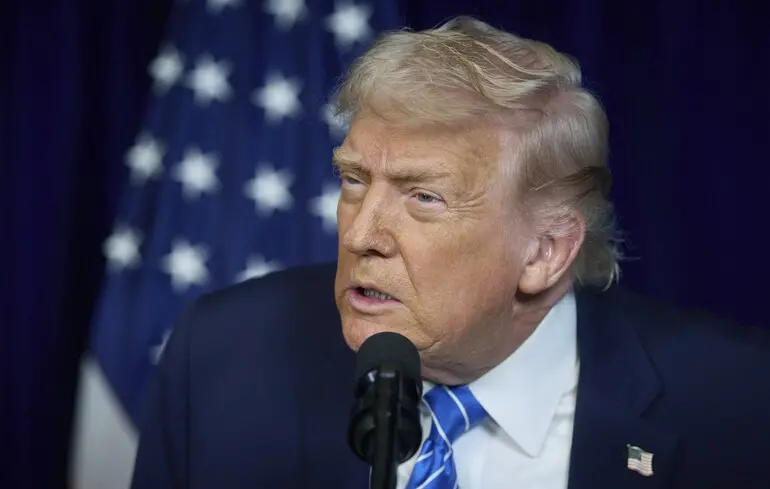
U.S. oil companies are demanding legal and financial guarantees from the administration of President Donald Trump before investing in Venezuela’s oil sector, the Financial Times reports, citing sources.

American businesses are concerned about Washington’s active moves regarding Venezuela and President Trump’s calls to support his initiatives to reform global energy markets.

The outlet noted that U.S. government officials held talks with the heads of leading oil companies on Wednesday, January 7, in Miami.

On Friday, January 9, executives of the country’s largest energy groups are set to meet with Trump at the White House.

According to sources, company leaders want clear guarantees for the protection of their investments before committing capital to a country with high political and legal risks.

Ukraine allows lithium mining to investors linked to Trump

On January 8, Ukraine granted the right to mine lithium at the large state-owned Dobra deposit to investors that include billionaire Ronald Lauder, a friend of U.S. President Donald Trump, The New York Times reports.

“The decision was made by a Ukrainian government commission, according to two members of the commission who spoke on condition of anonymity because of the sensitive nature of the vote. Although the deal still requires formal approval by Ukraine’s Cabinet of Ministers, officials said it is effectively finalized,” the report said.

Lauder is described as an heir to a cosmetics empire who has known Trump since college and was the one who suggested the idea of purchasing resource-rich Greenland. Another investor in the consortium is TechMet, an energy company partly owned by a U.S. government investment agency created during Trump’s first term.

“Two commission members said the winning consortium outperformed its competitors by meeting most of the tender’s criteria, dismissing any suggestions of favoritism. At the same time, by cultivating ties with investors linked to Trump and his administration, Kyiv is positioning itself favorably with the American leader as it seeks his support in peace negotiations with Russia, appealing to his business-oriented mindset,” the publication noted.

According to the newspaper, the Dobra lithium deposit in central Ukraine is among the country’s largest lithium reserves. Lithium is a key component in the production of electric batteries. The deposit will be developed under a production-sharing agreement, which allows investors to extract minerals in exchange for sharing output with the Ukrainian government. Under a U.S.-Ukraine minerals agreement, half of the revenue received by the Ukrainian government from the Dobra lithium deposit will be directed to a joint investment fund.

The U.S.-Ukraine agreement on joint mineral extraction signed in 2025 stipulates that a company seeking to develop a deposit and requiring additional investors must first present its project to the fund—a mechanism designed to advance the interests of U.S. businesses.

In the case of the Dobra lithium deposit, this could create potential conflicts of interest, as the U.S. agency overseeing the fund—the U.S. International Development Finance Corporation—also holds a stake in TechMet, the paper writes.

“It remains unclear how much Mr. Lauder and TechMet have committed to invest in developing the Dobra lithium deposit. The tender set a minimum investment requirement of $179 million, but a commission member who voted on Thursday said the consortium’s commitments were significantly higher. However, it takes years for investments to translate into actual production and profits. The consortium must first conduct geological exploration to determine the true value of the deposit and then finance the equipment and infrastructure needed for extraction. Industry experts say it typically takes about 15 years to move from discovery to production,” the article concludes.

Ukraine’s reserves hit a historic record

Ukraine’s international reserves increased by 4.6% in December 2025 compared with November and stood at $57.3 billion as of January 1, the National Bank of Ukraine (NBU) reported.

According to preliminary data, as of January 1, 2026, Ukraine’s international reserves amounted to $57,292.5 million, the highest level in the country’s history since independence.

In December, reserves grew by 4.6% month-on-month, primarily due to inflows from international partners, which exceeded the National Bank’s net foreign currency sales and the government’s foreign-currency debt payments.

In particular, $6.91 billion was credited to the government’s foreign-currency accounts at the NBU in December, including $3.91 billion through World Bank accounts and $2.7 billion from the European Union under the Ukraine Facility financial instrument.

The Ukrainian government paid $668.4 million for servicing and repayment of foreign-currency public debt, including $212.9 million owed to the World Bank. In addition, Ukraine paid $171.4 million to the International Monetary Fund.

The second factor affecting reserves was the National Bank’s operations on the foreign exchange market. In December, the NBU sold $4.7 billion and purchased $0.5 million for reserves. As a result, the NBU’s net foreign currency sales amounted to $4.7 billion, 1.7 times higher than in November.

“The increase in the NBU’s foreign currency sales interventions last month was primarily due to the traditional seasonal factor—higher budget spending and business activity at the end of the year. At the same time, compared with December 2024, the volume of interventions was 13% lower,” the central bank explained.

The third factor was the revaluation of financial instruments, which increased their value by $1.16 billion.

Overall, Ukraine’s international reserves rose by 30.8% over 2025, the NBU said. The current level of reserves is sufficient to cover 5.9 months of future imports.

NBU Governor Andriy Pyshnyi noted that the record growth in international reserves during the full-scale war was made possible by the synergy of three factors: strong support from international partners, the stable functioning of the domestic debt market, and the National Bank’s policy, which “makes it possible to spend less than the country receives and build up a safety buffer.”

In 2026, Ukraine expects to receive more than $45 billion from international partners.

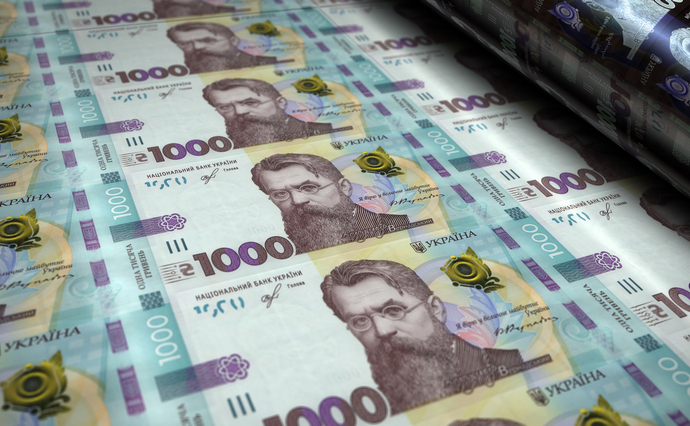
NBU sells over $700 million amid hryvnia slump

This week, the National Bank of Ukraine (NBU) actively sold foreign currency to support the hryvnia exchange rate, according to data published on the regulator’s website.

Between January 5 and 9, the NBU sold slightly more than $712 million on the interbank foreign exchange market. At the same time, the regulator did not purchase any U.S. dollars.

As reported, despite the central bank’s efforts, the hryvnia updated its historical low against the U.S. dollar five times and fell to a record low against the euro.

It was also previously reported that in 2025 the NBU sold a record amount of foreign currency—more than $36 billion. In addition, currency sales in December were also at a record high.

State Statistics Service estimates annual inflation

In December 2025, consumer price growth in Ukraine slowed to 0.2% compared with the previous month. On an annual basis, inflation also decelerated to 8%, the State Statistics Service reported.

The agency recalled that in December 2024 consumer prices rose by 1.4%, so on a year-on-year basis inflation as of December this year declined to 8% from 9.3% in November and was lower than inflation for 2024 as a whole, which stood at 12%.

It is noted that in December core inflation also fell to 0.1% from 0.3% in November and 0.6% in October. Given that in December 2024 it amounted to 1.3%, year-on-year core inflation also slowed to 8% by the end of the year, down from 9.3% in November and 10.2% in October.

In the consumer market in December, prices for food and non-alcoholic beverages overall remained unchanged. At the same time, prices rose by 0.7% to 5.6% for eggs, grain products, fish and fish products, bread, sunflower oil, lard, vegetables, beef, and milk.

Meanwhile, prices fell by 0.2% to 4.1% for fruit, sugar, poultry meat, pork, rice, fermented dairy products, non-alcoholic beverages, and butter.

Prices for alcoholic beverages and tobacco products increased by 1.0%, mainly due to a 1.9% rise in tobacco prices.

Clothing and footwear became cheaper by 3.9%, including a 4.4% decline in footwear prices and a 3.6% decrease in clothing prices.

Transport prices rose by 0.7%, mainly due to a 1.3% increase in rail passenger fares and a 1.1% rise in fuel and lubricants prices.

The world risks facing a copper shortage

The rapid development of artificial intelligence, robotics, and the defense industry is expected to drive a sharp increase in global demand for copper, while existing mining capacity may prove insufficient, Reuters reports, citing a study by consulting firm S&P Global.

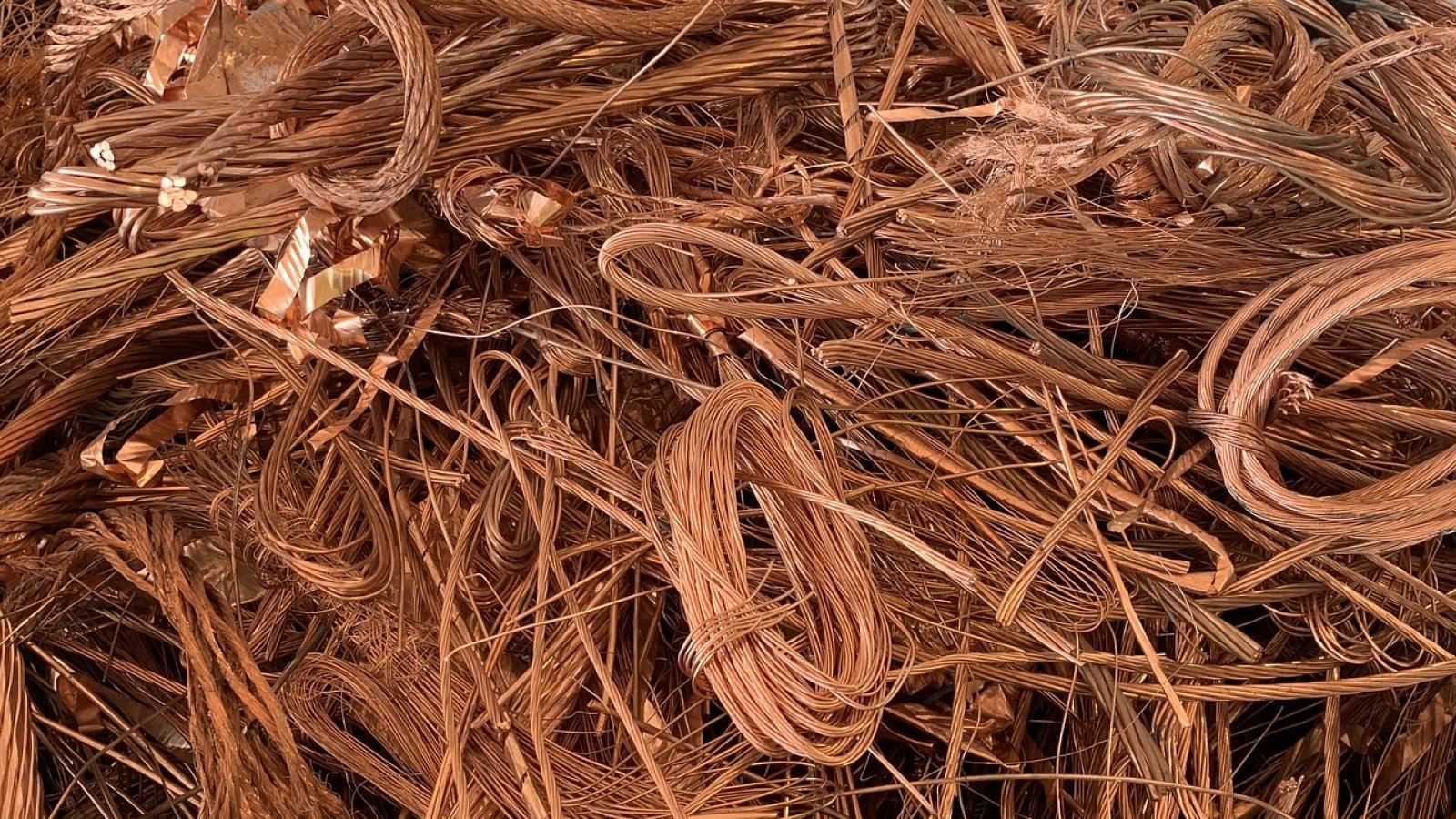
According to analysts’ estimates, global copper demand will reach 42 million metric tons per year by 2040, up from 28 million tons in 2025—an increase of about 50%. At the same time, without new sources of supply and more active recycling, the annual deficit could exceed 10 million tons, leaving nearly a quarter of demand unmet.

Copper is traditionally widely used in construction, transportation, electronics, and technology due to its high electrical conductivity, corrosion resistance, and ease of processing. While the electric vehicle industry was the main driver of demand over the past decade, artificial intelligence, defense systems, and robotics are expected to play a key role over the next 14 years. Consumer goods—from air conditioners to other household appliances—will also provide additional support to demand.

At the same time, rising defense budgets in Japan, Germany, and other countries, as well as the war with Russia, will further stimulate copper consumption.

Chile and Peru remain the largest copper producers, while China is the world’s largest smelter. The United States imports about half of the copper it consumes, despite tariffs imposed on certain types of the metal. S&P’s report does not take into account potential supply from deep-sea mining.

Russia–China trade begins to shrink for the first time since the start of the war

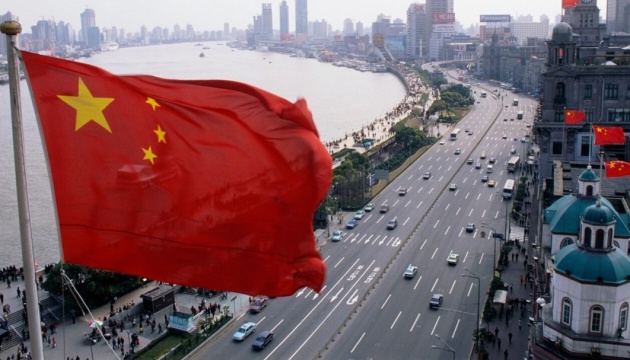
Trade between Russia and China, which became a key pillar of the Russian economy under Western sanctions, began to decline in 2025 for the first time since the start of Russia’s full-scale war against Ukraine.

From January to November, China cut purchases of Russian crude oil by 7.6% to 91.5 million tonnes. In value terms, exports fell by 20% due to lower prices and larger discounts.

Imports of Russian petroleum products declined by 3% for light distillates and by 33% for heavy distillates. In monetary terms, shipments dropped by 33% and 40%, respectively.

Russian coal exports to China fell by 11% in volume terms to 72.4 million tonnes. Timber supplies decreased by 10% in physical terms and by 8.7% in value. Purchases of ferrous metals collapsed by 63% to 245,000 tonnes.

Despite a 12% increase in liquefied natural gas exports to China in physical terms, their value fell by 1.8%.

In addition, for the first time since the war began, shipments of Chinese goods to Russia also declined—by 11.8% to $91.7 billion. Imports of Chinese vehicles were cut in half.

In the first year of the war, Russia–China trade grew by 30%, and by another 30% in 2023. In 2024, growth slowed to 2%, while in 2025 a downturn began. As a result, Russia’s share in China’s exports fell from 3.2% to 2.7%, pushing Russia down to ninth place among China’s largest buyers.

The contraction in trade continues despite appeals by Russian President Vladimir Putin, voiced during his four-day visit to Beijing in August.

Analysts note that a 1% decline in aggregate demand in China reduces Russia’s GDP by 0.1%, while a 30% drop in Chinese and Indian purchases of Russian oil would lead to a 1.6% contraction of the Russian economy.

Thus, despite Kremlin statements about a “strategic partnership without limits” with China, experts stress that the relationship remains deeply asymmetric. For Russia, China is a key market for raw materials—primarily oil and gas—whereas for China, Russia remains a relatively small export market.

WP2Social Auto Publish Powered By : XYZScripts.com