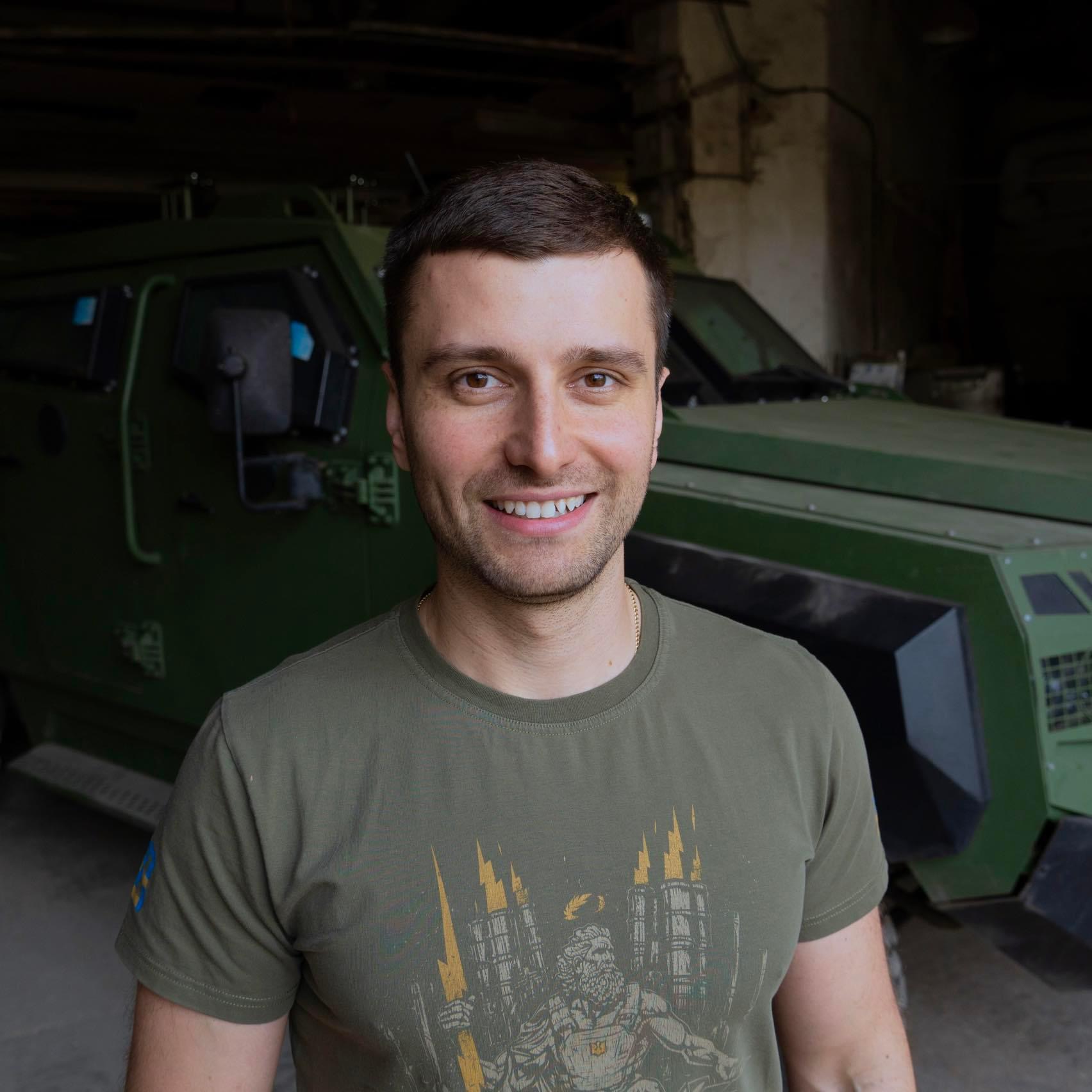
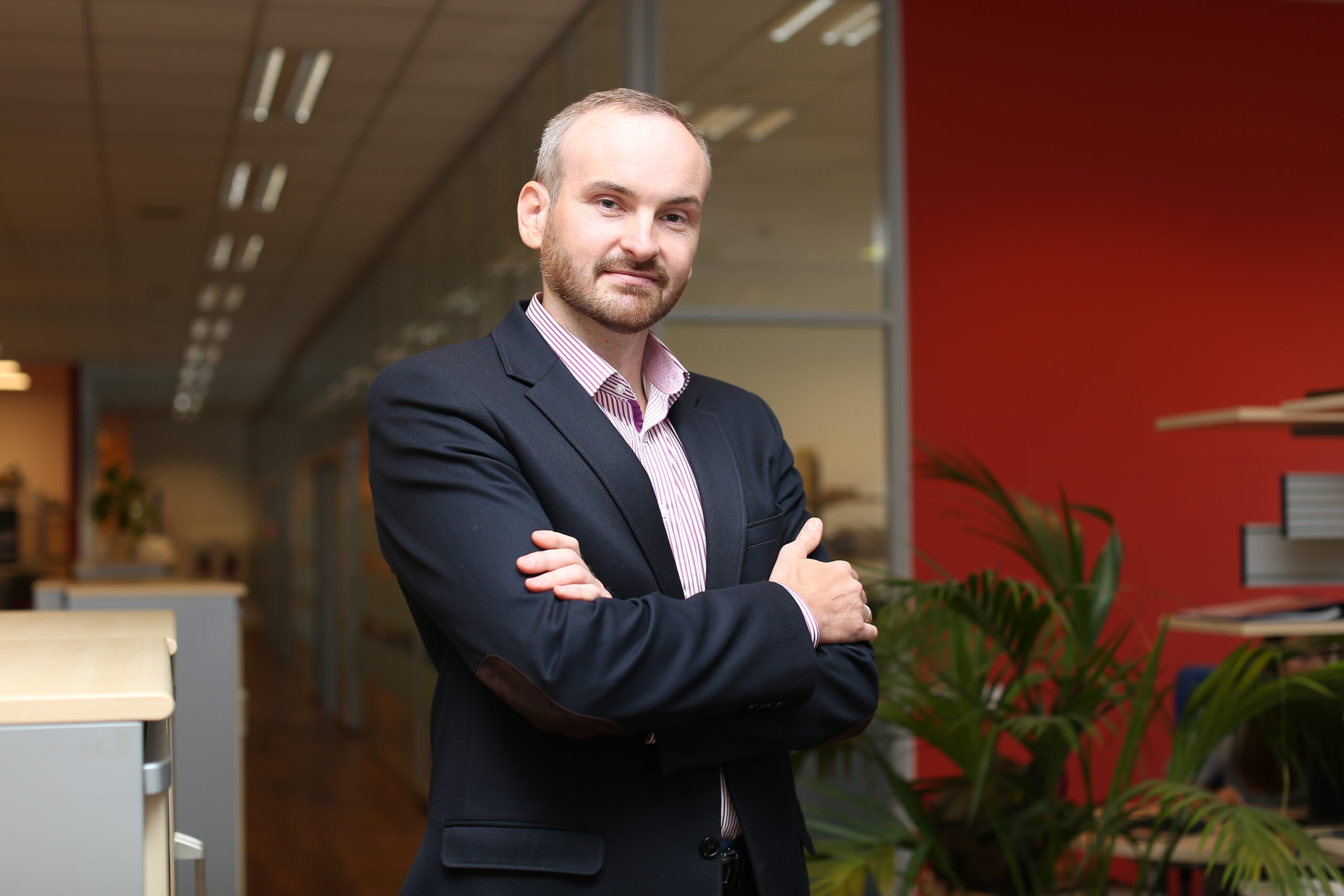
In an exclusive interview with LeadershipDaily, Sergii Gontar, General Manager of Philips Ukraine, discusses how the war has reshaped leadership and the management of an international business, why Ukraine has become a market of long-term opportunities, which technologies will define the future of healthcare, and the role that artificial intelligence, digitalization, and public-private partnerships will play in rebuilding the country and creating a modern, people-centered healthcare system.
LeadershipDaily: Over the past few years, the world has faced war, geopolitical instability, inflation, and the artificial intelligence revolution all at once. How have these factors changed your role as the leader of Philips Ukraine?
S. Gontar: The biggest change is that security has become an integral part of day-to-day business management. For a company operating in Ukraine today, it is no longer just a priority—it is a prerequisite for survival. Every day, we think about the fundamentals: Is our team safe? Has our warehouse and equipment survived the latest attack? How are our partners? Will shipments arrive tomorrow?
Naturally, this has also transformed the way we approach leadership. Flexibility and the ability to adapt quickly are no longer desirable qualities—they are essential. At the same time, I believe that the most effective leaders and teams are those who, even amid profound uncertainty, can maintain a clear long-term vision and hold on to a dream. By “dream,” I mean the purpose that gets you out of bed every morning and gives you the strength to overcome every challenge.
Geopolitical instability, combined with the rapid development of artificial intelligence, brings new challenges but also creates new opportunities. As a result, the role of today’s leader is to constantly balance business resilience, care for people, readiness to embrace change quickly, and the pursuit of new opportunities to grow the business while staying true to that long-term vision.
LeadershipDaily: What does effective leadership mean to you today? Which qualities have become critical for leading an international company in Ukraine?
S. Gontar: I believe business effectiveness is not only about achieving better results with fewer resources—it is also about delivering sustainable results both today and tomorrow. That is why, alongside traditional performance indicators, it would be a mistake to overlook the team. People are the driving force behind any business and the most critical factor in an organization’s long-term success.
Despite all the external challenges and technological disruption we face today, business remains, at its core, about relationships between people. Lasting relationships can only be built on trust and mutual respect for the interests of all parties.
That is why anyone committed to building a sustainable and successful business must invest in relationships—both with external partners and within their own team. It is especially during the most challenging times that we truly see the value of trust, mutual support, and strong partnerships.
LeadershipDaily: How has Philips’ approach to decision-making changed at a time when long-term forecasts are becoming increasingly unreliable? Which management decisions have been the most difficult over the past three years?
S. Gontar: On February 24, 2022, virtually all long-term business plans became obsolete. Today, instead of relying on a single plan, we develop multiple scenarios and remain ready to switch between them quickly as circumstances evolve.
Without a doubt, the most difficult decisions have been those concerning people. Our first priority has always been the safety of our employees and their families. Only after that comes restoring business operations. Finding the best ways to support our team and strengthen each employee’s personal sense of security has been—and continues to be—a complex but essential responsibility.
Looking back at the toughest business decisions, I immediately think of those made during the period of greatest uncertainty: resuming operations in the early days of the full-scale invasion, restarting imports, extending credit to our partners, relaunching communications, and many others. It is rewarding to see the results today, as most of these decisions proved successful. They not only helped preserve the business but also became key drivers of our rapid growth over the past few years.
LeadershipDaily: Philips has been operating in Ukraine for many years. How has the company’s role changed since the start of the full-scale war? Is Ukraine now a reconstruction market, a growth market, or a market of long-term opportunities for Philips?
S. Gontar: In the past, Ukraine was simply one of many markets on the map for global corporations—a commercial point of presence. Today, it is a story of deep partnership.
For Philips, Ukraine is unquestionably a market of long-term opportunities and profound transformation. Despite all the challenges, we see tremendous potential for growth and for applying what Philips does best—improving people’s lives and health through meaningful innovation. Personally, I am proud that we are contributing to the country’s structural transformation, both in healthcare and in the field of personal health solutions.
I am not talking merely about reconstruction. I am talking about the opportunity—and the tangible progress already being made—to build a modern, efficient, and people-centered healthcare system that meets the highest international standards and leverages the most advanced medical technologies.
That is why we are working on every level: directly with the Ministry of Health of Ukraine, alongside international donors, charitable foundations, and healthcare professionals. We combine immediate humanitarian assistance with long-term strategic projects that deliver lasting structural improvements to Ukraine’s healthcare system.
LeadershipDaily: Which areas of Philips’ business in Ukraine have become the most in demand under the new circumstances?
S. Gontar: The structure of demand within the country has changed dramatically. The war has created an entirely new set of priorities.
First, mobile, autonomous, and energy-efficient medical equipment has become critically important. Equipment that can operate in bomb shelters, during power outages, or be rapidly relocated between hospital departments is now essential. Portable ultrasound systems and mobile X-ray units are no longer simply a matter of convenience—they have become a matter of patient survival.
Second, we have seen an enormous increase in demand in specific areas of healthcare. Surgery, burn care, physical rehabilitation, and prosthetics are all operating at the limits of their capacity. At the same time, our “traditional” healthcare challenges have not disappeared. On the contrary, chronic stress, constant missile attacks, and prolonged psychological pressure have led to a growing number of cardiovascular diseases and strokes, with these conditions affecting increasingly younger patients.
LeadershipDaily: How has the war changed the priorities of Ukraine’s healthcare system, and how has Philips adapted its solutions to meet these new needs?
S. Gontar: In the past, the focus was often placed on individual modernization projects. Today, the conversation is increasingly about the resilience of the healthcare system as a whole. Simply delivering and installing advanced medical equipment is only part of the solution. The real questions are: Can healthcare professionals fully utilize its capabilities? Is it effectively integrated into the hospital’s workflow? And, perhaps most importantly, how well does it interact with other healthcare systems?
Our goal is not merely to supply medical equipment but to build a unified healthcare ecosystem where every component works seamlessly together. Only then can technology truly unlock its full potential to improve outcomes for both physicians and patients.
Together with our partners, we equip healthcare facilities with solutions that enable rapid deployment of diagnostic and treatment services.
At the same time, we are taking a long-term approach by continuing our strategic partnership with the Ministry of Health of Ukraine. Even before the full-scale invasion, Philips and the Ministry signed a memorandum of cooperation, and since 2022 this collaboration has become even more intensive. Today, it extends far beyond equipment supply to include hospital reconstruction, stroke care development, healthcare workforce training, and the implementation of advanced digital health solutions.
LeadershipDaily: Healthcare is undergoing one of the most significant technological transformations in its history. In your view, which trends will shape the industry over the next five to ten years?
S. Gontar: I would highlight three major trends.
The first is sustainability. Today, sustainability means far more than environmental responsibility. It is about creating a more resilient healthcare system that consumes fewer resources while delivering greater efficiency. A good example is Philips’ BlueSeal helium-free MRI systems. They not only reduce dependence on scarce helium but also make MRI systems easier and more cost-effective for hospitals to operate.
The second trend is digitalization and artificial intelligence. AI is increasingly becoming a true digital assistant for healthcare professionals, helping automate routine tasks and support more informed clinical decision-making. According to Philips’ global Future Health Index 2026, AI enables healthcare professionals to save an average of around 16 working days per year, while nearly 40% of surveyed clinicians reported that AI had helped them identify or prevent potential medical errors during the previous three months.
The third trend is patient-centered care.
Today, it is no longer enough simply to treat disease. The entire patient journey—from diagnosis and treatment to follow-up care—must become faster, more convenient, and easier to navigate. In my view, the future of healthcare over the next decade will be shaped at the intersection of these three trends.
LeadershipDaily: Many experts are talking about a shift from treating diseases to preventing them. How closely does this concept align with Philips’ strategy?
S. Gontar: Absolutely. In fact, it is one of the key directions in which healthcare is evolving today. We are increasingly moving away from a model focused on treating illness toward one that helps people stay healthy for longer.
That is why we see technology not as an end in itself, but as a tool that enables earlier risk detection, empowers people to monitor their health, and supports more informed decision-making.
We are seeing growing interest in preventive healthcare. People want to better understand their bodies and take care of their health before problems arise. This shift is also reflected in the increasing demand for everyday personal health solutions.
LeadershipDaily: Despite the war, many international companies continue to invest in Ukraine. What long-term opportunities do you see for Philips, and which factors are now most important when making long-term investment decisions in Ukraine?
S. Gontar: Global businesses are not waiting for some abstract “tomorrow.” Those committed to operating in Ukraine over the long term are already taking part in the country’s recovery today.
When it comes to the factors shaping our investment decisions, they have long gone beyond financial statements and return-on-investment projections. Three fundamental priorities now stand above all else: transparency, predictability, and genuine partnership between the public and private sectors.
We see a tremendous long-term opportunity to work alongside the government, hospitals, and international donors to build a digital, efficient, and resilient healthcare system. A system that combines advanced technologies with Ukraine’s unique experience to strengthen the nation’s health and resilience—and one that could become a model for other developing countries. That is a vision worth investing in and working toward.
LeadershipDaily: What is the greatest challenge facing international companies operating in Ukraine today?
S. Gontar: I believe the greatest challenge is not the war itself. The hardest part is learning to operate in an environment of constant uncertainty.
International companies are accustomed to planning years ahead. Ukraine’s experience over the past several years has shown that businesses must think strategically while remaining exceptionally agile. The ability to adapt quickly has become one of the most important competitive advantages.
The second major challenge is responsibility. Society now expects much more from businesses than simply delivering quality products or services. People want to see companies become part of the country—to support their employees, stand by their partners, operate with integrity, and contribute to solving issues of public importance.
That is why partnership has taken on a completely new meaning for us. It is no longer limited to contracts or commercial agreements. True partnership is demonstrated when companies are willing to overcome challenges together, share expertise, and support one another even in the most difficult circumstances.
LeadershipDaily: If you were to describe Ukraine ten years from now in just one word, what would that word be?
S. Gontar: I would probably choose the word “resilient.” The past few years have demonstrated Ukrainians’ extraordinary ability to adapt, support one another, and find solutions even under the most difficult circumstances. I hope that this resilience will become the foundation for the country’s continued development.
I believe in a Ukraine that has not only recovered from the war but has used that experience to build a modern, secure, and people-centered nation—a country where high-quality healthcare is accessible, technology serves people, and strong partnerships between the government, business, and society drive meaningful transformation. That is the kind of Ukraine we are committed to helping build, starting today.