
Jaguar Land Rover Designer Leaves Company After 20 Years

Chief designer of Jaguar Land Rover, Gerry McGovern, will officially leave the company at the end of March, concluding more than two decades of work that significantly shaped the look of the brand’s modern models.

It was under his leadership that the distinctive design language of Range Rover models and the updated Land Rover Defender was developed, both of which became symbols of the premium SUV segment. McGovern also played a key role in the transformation of the Jaguar brand, including work on the Type 00 concept, which is expected to define the brand’s future direction.

In a message to employees, the designer thanked his team and the company’s owners for years of collaboration, noting that he is proud of what they achieved together. His next career step will be launching his own design consultancy.

Earlier, media reports suggested possible leadership changes within JLR, although the company denied these claims. It remains unclear whether the designer’s departure was planned or the result of management reshuffles.

The company has not yet announced who will take over the key design position at Jaguar Land Rover.
EU and Australia Agree on Free Trade Deal

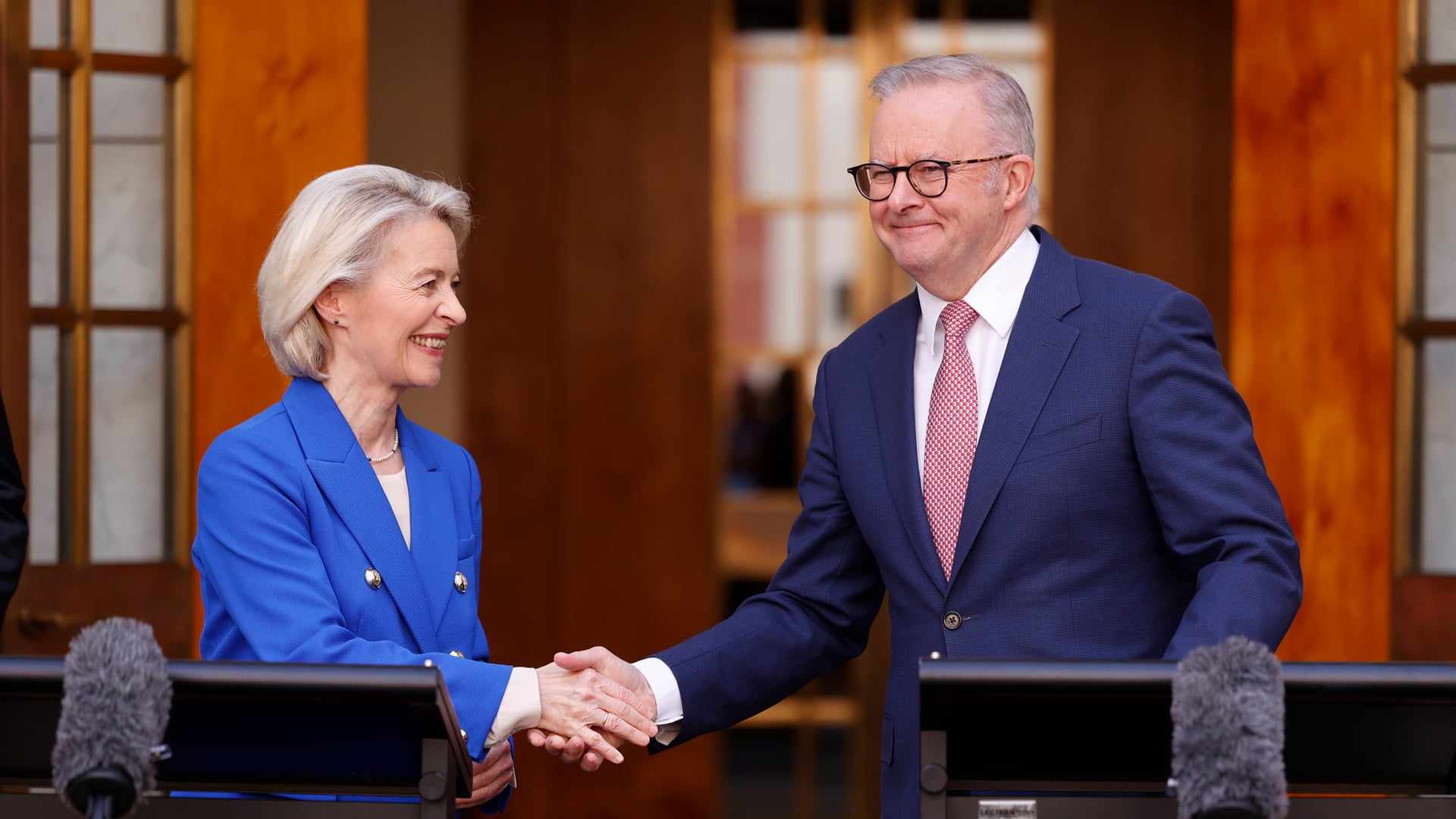
The European Union and Australia on Tuesday, March 24, concluded negotiations on a free trade agreement that began in 2018, according to the European Commission.

EU exports are expected to grow by up to 33% over the next decade, reaching €17.7 billion annually. Key sectors with strong growth potential include dairy products (expected to increase by up to 48%), automobiles (52%), and chemicals (20%). EU investments in Australia could rise by more than 87%.

The agreement will also strengthen the EU’s strategic interests in critical raw materials, making supply chains more resilient to geopolitical disruptions.

The free trade deal will create more opportunities for European companies by granting EU exporters preferential access to the Australian market, including the removal of more than 99% of tariffs on EU goods exports to Australia.

It is expected to boost EU agri-food exports by eliminating tariffs on key products such as cheeses, processed meats, wine and sparkling wine, certain fruits and vegetables (including processed forms), as well as chocolate and sugar confectionery.

For sensitive agricultural sectors — such as beef, sugar, certain dairy products, and rice — the agreement will allow imports from Australia at zero or reduced tariffs only in limited quantities through carefully calibrated tariff quotas.

The European Commission noted that Australia is a major producer of raw materials, including aluminum, lithium, and manganese, which are vital for the EU’s overall economic security and competitiveness.

Following approval by the Council of the European Union, the EU and Australia will be able to sign the agreement. It will also require the consent of the European Parliament and a formal decision by the Council. Once Australia ratifies the deal, it will enter into force.

Russia and Vietnam sign agreement on nuclear power plant construction

Russia and Vietnam have signed an intergovernmental agreement on the construction of the Asian country’s first nuclear power plant, Ninh Thuan-1, according to Rosatom.

The document, which establishes the necessary legal framework for the construction of the plant, was signed by Rosatom head Alexey Likhachev and Vietnam’s Minister–Head of the Government Office Tran Van Son. The ceremony took place in Moscow in the presence of the prime ministers of both countries.

The project предусматривает the construction in Vietnam of two power units of Russian design with VVER-1200 reactors, with a total installed capacity of 2.4 gigawatts.

Vietnam had approved plans to build its first two nuclear power plants back in 2009, but they were postponed in 2016 following the Fukushima nuclear disaster in Japan, as well as due to budget constraints.

Russia and Japan were initially expected to be involved in the construction of the Ninh Thuan-1 and Ninh Thuan-2 plants, with a combined capacity of 4 gigawatts. After Vietnam revived its nuclear energy development program in 2024, it approached both countries for assistance in implementing the projects, but Tokyo decided to withdraw from building nuclear power plants in the country.

Ukraine lags 28% behind last year’s sowing pace

As of March 23, Ukrainian farmers had sown 180,113 hectares of spring grains and legumes across 16 regions, accounting for 3% of the forecast for this year, according to the press service of the Ministry of Economy, Environment, and Agriculture.

The pace of work accelerated significantly over the past week, with 126,760 hectares sown—almost three times higher than the previous reporting period (53,360 hectares).

At the same time, current figures are 28% lower than last year’s pace, when 250,400 hectares had been sown by the same date.

So far, 86,100 hectares have been planted with barley (11.4% of the plan), 51,200 hectares with peas (19%), 20,500 hectares with wheat (11%), and 20,800 hectares with oats (15%). As of March 23, sowing of industrial crops—sunflower, soybeans, and sugar beets—has not yet begun.

The leading regions in terms of sowing pace are Odesa (39,000 hectares), Mykolaiv (32,300 hectares), Rivne (20,800 hectares), Volyn (17,200 hectares), and Ternopil (15,600 hectares).

$600 million in trades: traders profit ahead of Trump’s post on Iran

Traders offloaded nearly $580 million worth of oil futures just 15 minutes before U.S. President Donald Trump posted about “productive talks” with Iran—ahead of the price drop triggered by the message, the Financial Times reports.

Approximately 6,200 Brent and WTI contracts were sold around 6:50 a.m. on March 23. At 7:04 a.m., Trump posted on social media about “productive talks” with Iran, which led to a decline in these futures prices.

As a result, someone managed to sell oil assets at high prices just minutes before a sharp drop.

The identities behind these trades remain unknown. One exchange analyst noted that while it is difficult to establish a causal link, it raises the question of who was aggressively selling futures 15 minutes before Trump’s post.

The White House rejected any allegations of insider trading, calling such speculation “groundless.”

Suspicious activity was not limited to the oil market. A similar surge in trading was recorded in futures tied to the U.S. stock index S&P 500.

According to Bloomberg, between 6:49 and 6:50 a.m. in New York on March 23, a total of 4,497 contracts worth about $1.46 billion changed hands—making it the largest trade of the morning.

Oil futures remain highly volatile, with markets reacting nervously to developments related to the war in the Middle East, which has effectively led to the closure of the Strait of Hormuz. However, the synchronized and unusually large trades that anticipated statements by the U.S. president may prompt investigations by market regulators.

Lukoil estimates losses from U.S. sanctions

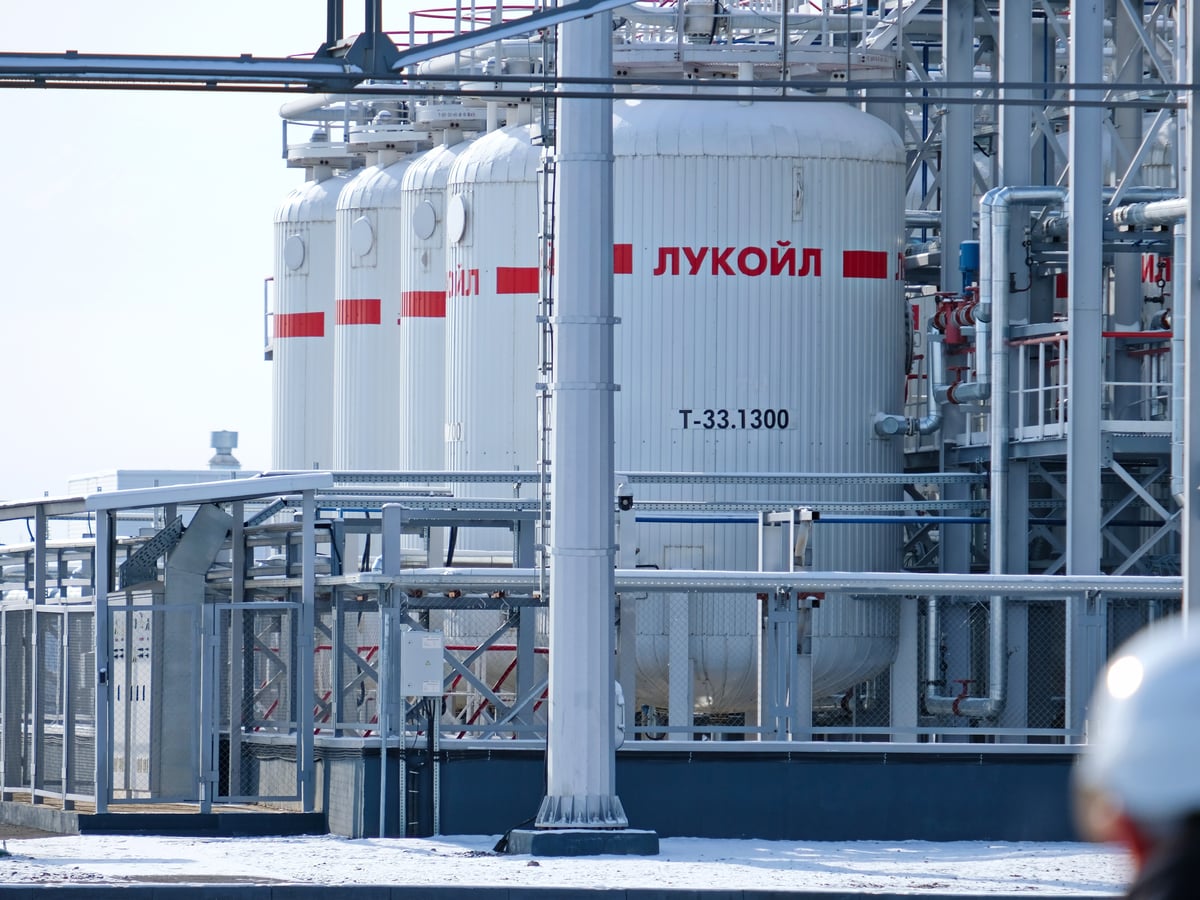
Russian oil company Lukoil reported a net loss of 1.06 trillion rubles ($13.2 billion) in 2025, taking into account the cessation of operations of part of its assets, compared to a net profit of 851.5 billion rubles ($10.6 billion) a year earlier, Russian media report.

Lukoil fully wrote off its stake in Lukoil International GmbH, the group’s foreign business. As a result, the company estimated impairment losses at 1.7 trillion rubles ($19.8 billion).

In October 2025, the United States imposed sanctions on Lukoil, after which the Russian company decided to sell its foreign assets. Lukoil reached a preliminary agreement to sell Lukoil International GmbH to the U.S. investment fund Carlyle. The deal requires approval from the U.S. Treasury’s Office of Foreign Assets Control (OFAC).

Japan to invest $40 billion in U.S. nuclear reactors

A joint venture between GE Vernova LLC and Hitachi Ltd will invest $40 billion in the construction of small modular nuclear reactors (SMRs) in the states of Tennessee and Alabama, Bloomberg reported.

The investment is part of a broader $73 billion energy agreement between Japan and the United States. Tokyo will also invest in gas-fired power plants in Pennsylvania and Texas.

The reactor deal is the latest initiative under a $550 billion investment framework agreed upon by the U.S. and Japan as part of arrangements that allowed Donald Trump to reduce automobile tariffs and other duties.

The investment was announced in a fact sheet released by the White House just hours after a meeting between President Donald Trump and Japanese Prime Minister Sanae Takaichi in Washington.

The document also outlined plans for closer economic cooperation between Japan and the U.S., including the development of additional supply chains for critical minerals, as well as expanded cooperation in technology, space, and defense.

The push to develop energy infrastructure, particularly alternative sources such as SMRs, is driven by growing electricity demand from the artificial intelligence industry.

SMRs typically have lower capacity than traditional reactors but can be designed and deployed more quickly.

Specific details, including when the reactors will become operational, have not yet been disclosed.

The Philippines have purchased Russian oil for the first time in five years

The Philippines have resumed imports of Russian oil for the first time after a five-year break, seeking to secure fuel supplies amid disruptions in crude supply caused by the conflict in the Middle East. This was reported by LSEG, Kpler, OilX, and industry sources, according to Reuters.

The Philippine energy minister said on Monday that Manila had approached Moscow for oil volumes. This came after the United States issued a 30-day authorization allowing the purchase of sanctioned Russian oil and petroleum products to stabilize global markets.

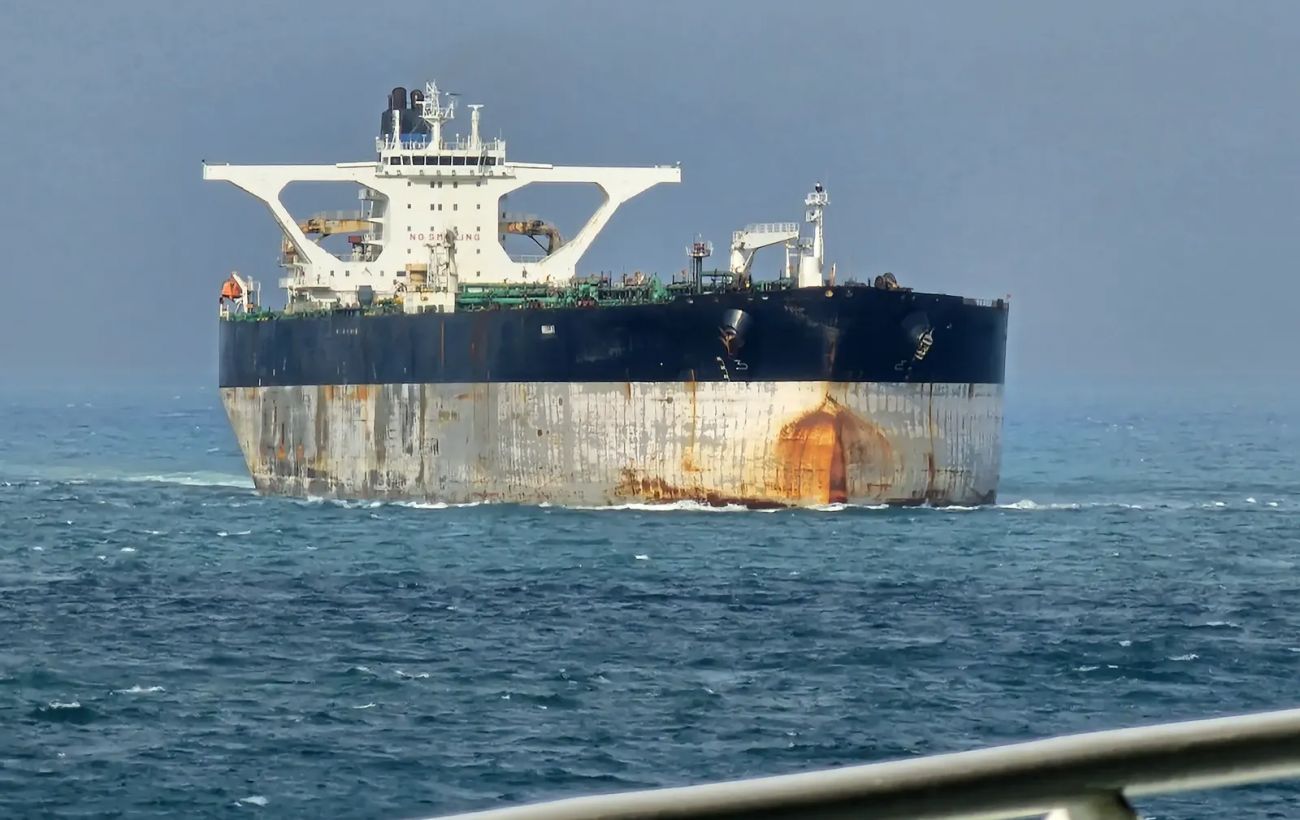
It is noted that the tanker Sara Sky, carrying about 100,000 tons of ESPO Blend crude (approximately 750,000 barrels) loaded at the Far Eastern port of Kozmino, is expected to arrive at the port of Limay on March 23–25. The cargo is intended for the country’s largest refinery in Bataan, operated by Petron Corp.

Prior to 2022, the Philippines regularly purchased Russian crude grades Sokol and ESPO Blend but halted imports after Western countries imposed restrictions on Russian oil.

LNG buyers are rapidly shifting from Qatar to the United States

A growing number of buyers and importers seeking to secure liquefied natural gas have turned to the United States on Thursday after the latest attack on Qatar’s massive LNG complex further disrupted global fuel supplies, Bloomberg reports.

Companies in need of fuel have begun approaching U.S. producers directly.

This involves reserving volumes both from existing American plants and from projects that are still under construction. Negotiations are at an early stage, as agreeing on the terms of long-term LNG contracts traditionally takes considerable time, sources say.

The United States is already the world’s largest LNG exporter and plans further large-scale expansion. A number of new gas liquefaction plants are in the design or construction phase. Shares of several U.S. LNG producers reacted to the news with solid gains.

The war in Iran and the shutdown of the Qatari complex triggered a surge in gas prices in Europe and Asia. At the same time, prices in the U.S. rose only slightly: existing American LNG terminals are already operating at near full capacity, while domestic shale gas production remains abundant. U.S. plants physically cannot export more than they currently do to immediately meet global demand.

Iran carried out a direct strike on the Ras Laffan complex—the largest LNG facility in the world. Repairs and restoration of capacity could take up to five years. The emirate’s expected financial losses are estimated at around $20 billion in lost revenue annually.

For the global market, this means that a huge volume of supply has been removed from the balance for years, and the only reliable alternative capable of covering this deficit in the medium term will be new U.S. projects.

The Ministry of Finance has published a large tax bill

The Ministry of Finance has published a major tax bill that предусматривает mandatory VAT registration for simplified-tax system entrepreneurs with annual revenues starting from 4 million UAH, taxation of parcels valued up to €150, continuation of the 5% military levy after the war, and the introduction of international automatic exchange of information on income earned via digital platforms (Uklon, OLX, and others).

As noted in the explanatory memorandum, the adoption of the document will allow the state budget to attract an additional approximately 60 billion UAH per year and ensure continued military levy revenues after the end of martial law. The bill complies with Ukraine’s tax obligations under the IMF program.

Simplified-tax entrepreneurs will be required to become VAT payers starting January 1, 2027. For those paying the single tax, it is proposed to set the reporting period as a calendar quarter, as well as to introduce penalty sanctions of 1 UAH for the first five violations during 2027. The bill also allows the issuance of consolidated tax invoices for the supply of goods and services, as well as for receiving advance payments, even if the person is not a VAT payer.

Regarding the military levy, it is proposed that it be paid until a decision by the Verkhovna Rada on the completion of the Armed Forces reform comes into force. For sole proprietors in the first, second, and fourth groups, a rate of 10% of the minimum wage is proposed, while for third-group taxpayers it would be 1% of income.

Income from digital platforms is currently taxed at 18%, but it is proposed to reduce this rate to 5%, and to exempt income up to €2,000 per year from taxation.

For parcels, the bill предусматривает taxation of дистанционно sold goods valued up to €150 that are delivered to individuals via electronic interfaces. Parcels valued up to €45 intended for personal or family use are exempt from VAT.

The bill must be adopted by the end of March in accordance with the terms of the new $8.1 billion EFF program.

WP2Social Auto Publish Powered By : XYZScripts.com